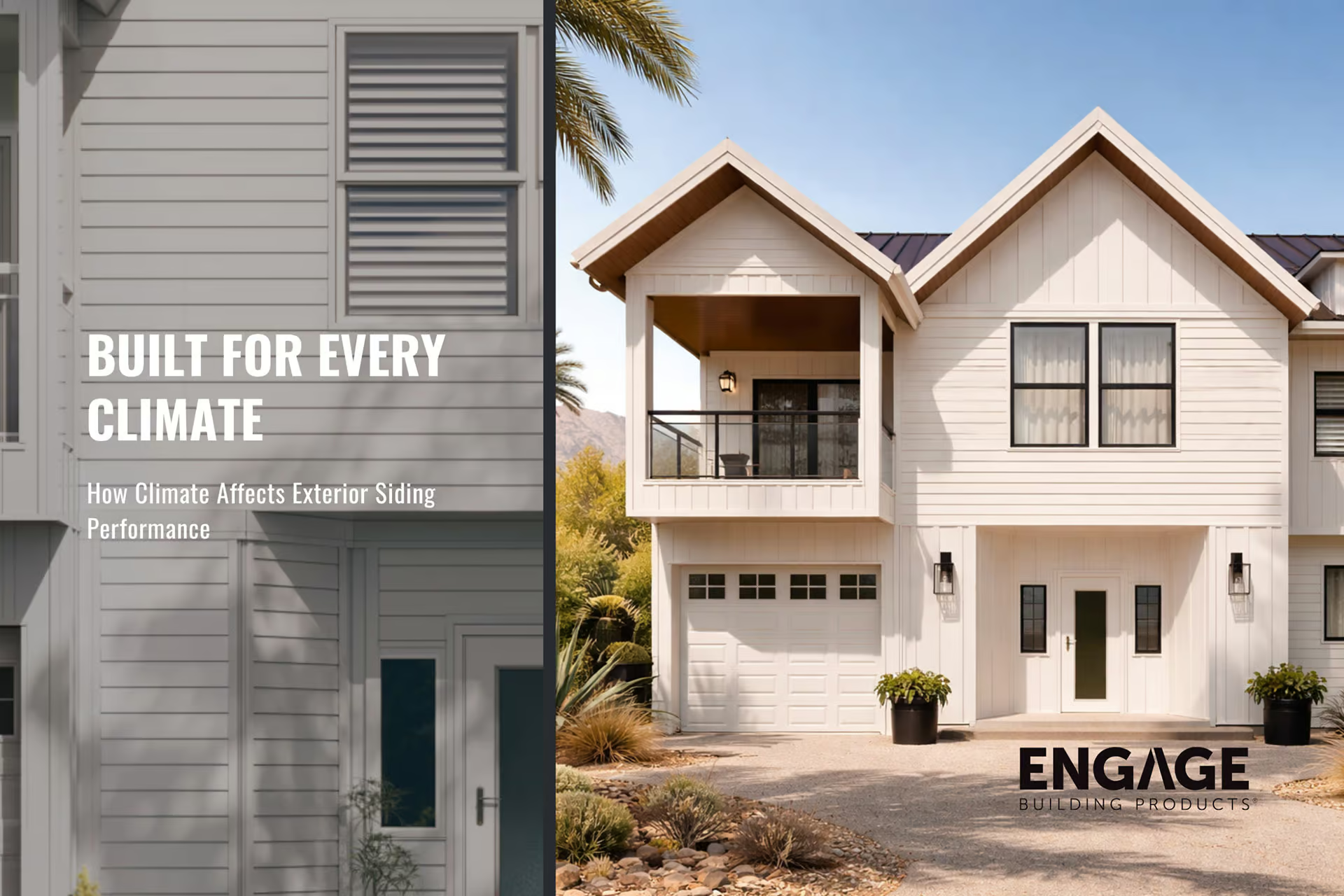
Exterior siding does more than shape the look of a building. It serves as the first line of defense against the environment. Every façade faces a unique combination of temperature swings, moisture, wind, sunlight, and environmental stress. Over time, those forces determine how well a siding material performs and how long it maintains its appearance.
Understanding how climate affects exterior cladding is essential when selecting materials and designing wall assemblies. A system that performs well in one region has the potential to struggle in another if the environmental conditions are very different. This highlights the importance of a well rounded and well engineered siding system.
Why Climate Matters for Siding
Exterior siding is constantly exposed to environmental forces. Heat causes materials to expand. Cold causes them to contract. Moisture moves through wall assemblies in the form of rain, humidity, and vapour. Wind drives water into gaps and joints. Sunlight slowly breaks down coatings and finishes.
When siding systems are not designed to manage these conditions, several problems can develop:
• Moisture can become trapped behind cladding
• Freeze–thaw damage can occur
• Mold or mildew may begin to grow
• Finishes may become dull or crack
• Warping, swelling, or corrosion can occur
The most durable exterior wall systems are designed with these forces in mind. Proper drainage, ventilation, and material selection help buildings perform consistently across changing seasons.
Key Climate Zones That Affect Siding Performance
Cold and Snowy Climates
Regions with long winters and heavy snowfall experience frequent freeze–thaw cycles. Moisture that becomes trapped behind siding can freeze and expand, which may damage cladding materials or wall components.
Hot and Humid Climates
High humidity combined with heavy rainfall creates ideal conditions for mold, mildew, and moisture accumulation within wall assemblies.
Hot and Dry Climates
Desert and dry climates expose siding to intense sunlight plus big daily temperature swings. These conditions accelerate UV breakdown and lead to repeated expansion and contraction of the material.
Coastal and Marine Climates
Buildings near the ocean deal with constant moisture and salty air, which speeds up corrosion and wears out exterior surfaces faster.
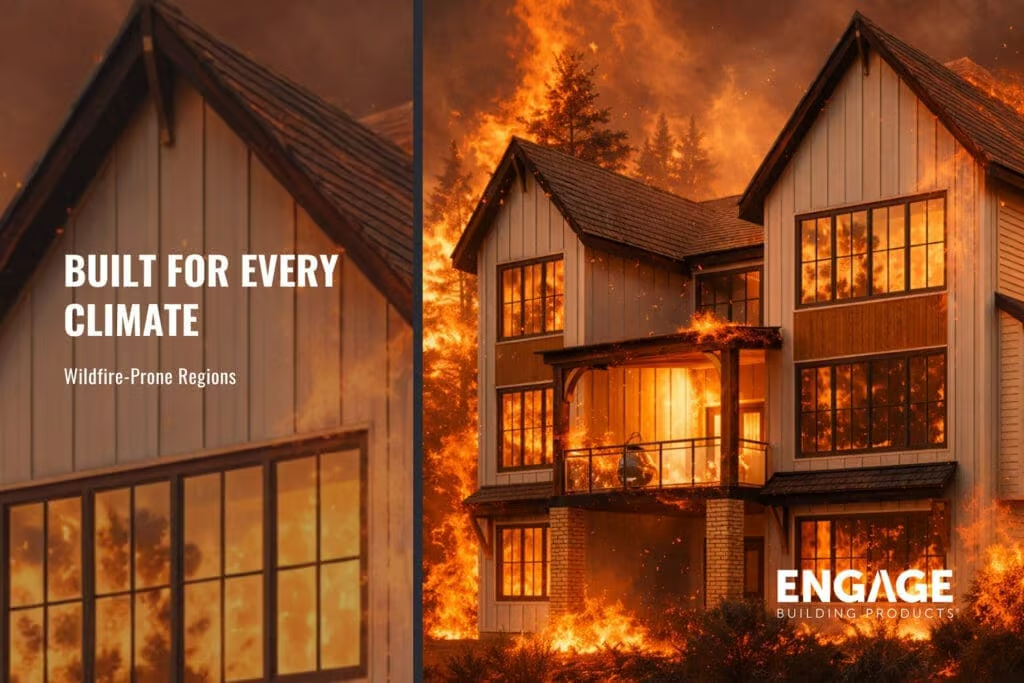
Wildfire-Prone Regions
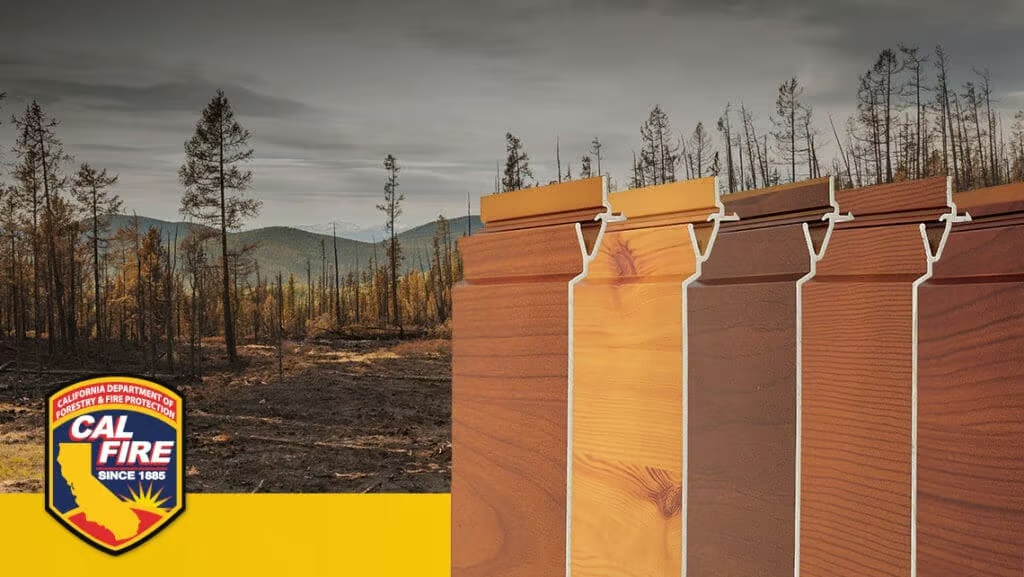
In areas where wildfires occur, siding materials must resist ignition from embers and radiant heat.
High-Wind and Severe Storm Regions
In areas with powerful winds, flying objects, and pounding rain, siding systems need strong fasteners and designs that stand up to extreme weather.
Each climate introduces its own challenges, which is why the best siding systems are designed to manage both environmental exposure and moisture movement within the wall.
Designing for Long-Term Performance
Choosing siding based only on appearance can lead to costly repairs. Instead, exterior wall systems should be chosen for how well they manage the conditions common to the local climate.
High-performing systems typically include:
• Durable materials
• UV and moisture resistant finishes
• Drainage and ventilation
• Secure installation methods
When these elements work together, siding does more than protect the building. It helps preserve the structure, reduce maintenance, and maintain a clean appearance for many years.
Looking Ahead
In the articles that follow, we will explore how siding performs in specific environments and what to look for when designing for those conditions. From cold northern winters to coastal salt exposure and wildfire zones, each climate presents unique challenges that influence how exterior cladding systems should be designed.
Understanding these conditions is the first step toward choosing siding that performs as well as it looks.