How to Stay Warm on the Jobsite: Preferred Methods & New Gear for Winter 2025
The Question Every Cold-Weather Crew Asks
“How do we keep moving, stay safe, and avoid the slowdown when winter hits?”
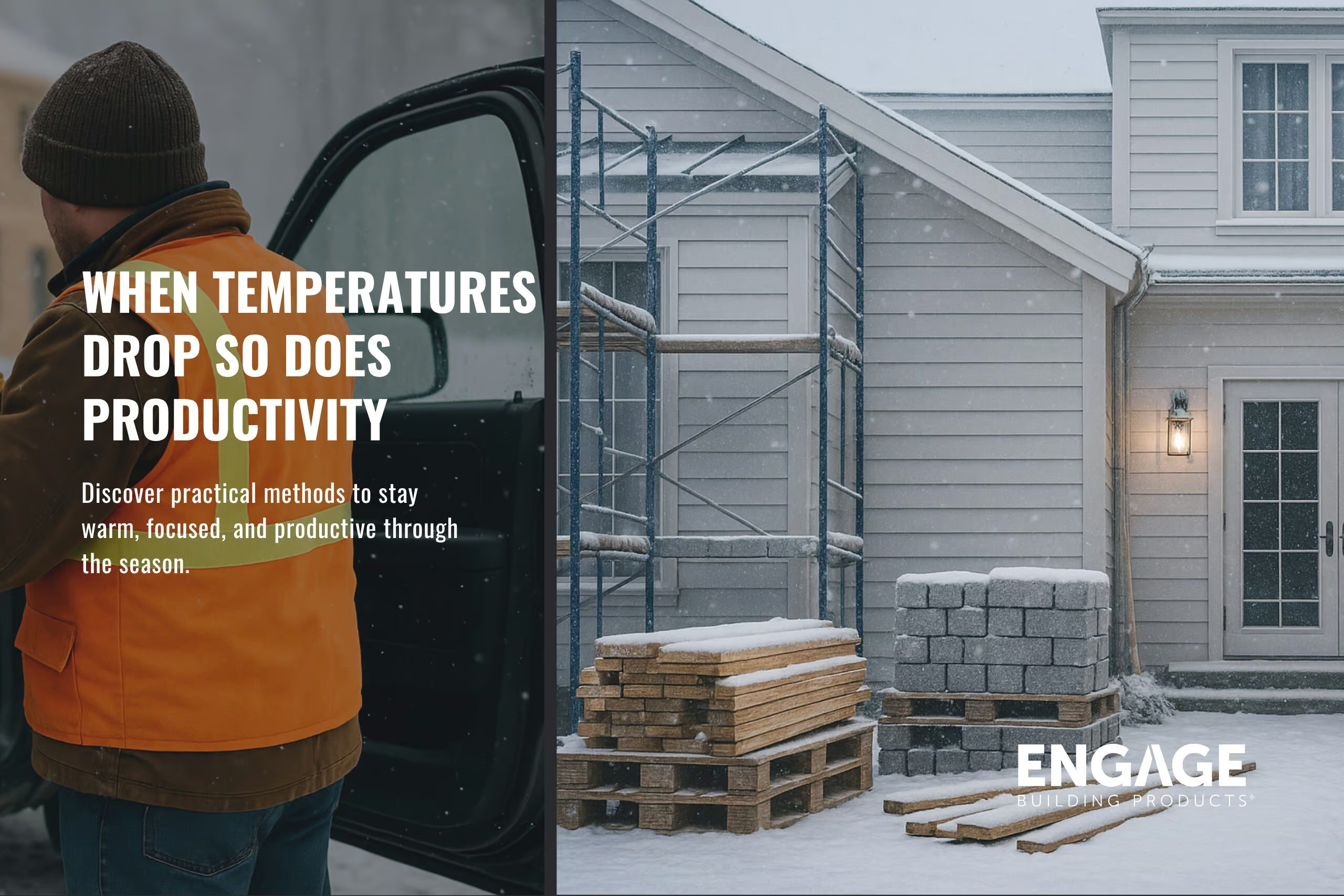
When you’re working outside in cold winds, snow, or freezing rain, it’s not just about being uncomfortable—it’s about risk, loss of productivity, injuries, and hidden labor days.
Here’s how you stay warm, safe, and efficient, even when the mercury plummets.
1. Layering Strategy: It’s a System, Not Just a Coat
A good layering system does three things: traps heat, wicks moisture, and protects against wind/precipitation. Experts point out that too many bulky layers without moisture-management slow you down.
Base layer (next to skin):
- Choose moisture-wicking fabrics (merino wool, synthetic) so sweat doesn’t chill you when you stop.
- Avoid heavy cotton, which retains moisture.
Mid layer (insulation):
- A fleece or light insulated jacket that holds body heat.
- Should allow freedom of movement.
Outer layer (shell):
- Windproof and water-resistant.
- Keeps the cold gusts and snow off the insulation beneath.
- Hi-vis recommended if working near traffic or in low light.
Pro tip: Keep a spare mid-layer in the truck and change if you go inside for a break. Wet clothes kill heat fast.
2. Gear Up: Best Cold-Weather Workwear for 2025
Here are some solid gear picks that you can recommend to your crew or keep a set in the company kit so you’re not caught underprepared.
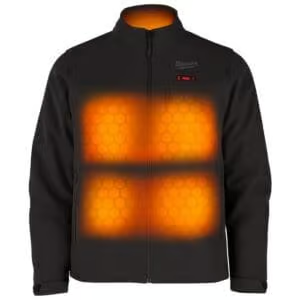
- Milwaukee M12 Heated TOUGHSHELL Jacket Kit: Battery-heated jacket. Great for early morning lifts or very cold winter builds.
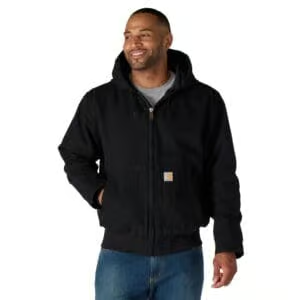
- Carhartt Washed Duck Insulated Active Jacket: Strong go-to for general winter installs. Insulated, rugged, trusted brand.
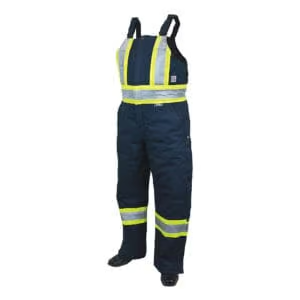
- Tough Duck Insulated Safety Overall S757: Full overall (bib style) option. Keeps the lower body insulated, especially helpful when kneeling, climbing, or working low.
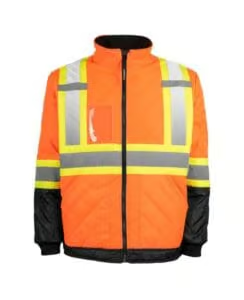
- Terra Workwear Hi‑Vis Quilted Freezer Jacket: Budget-friendly hi-visibility quilted jacket. Great for safety and cold combos.
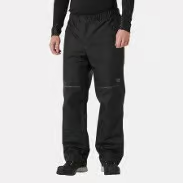
- Helly Hansen Manchester 2.0 Winter Pant: Insulated work pants—often neglected, but your legs get cold fast.
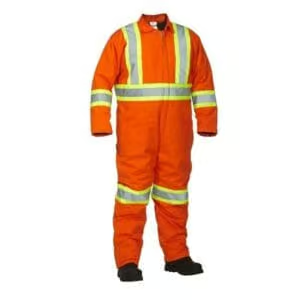
- ForceField Winter Lined Coverall: All-in-one coverall that will keep your body heat in.
3. On-Site Methods to Retain Heat and Maintain Productivity
- Warm-up breaks: Schedule short breaks in a heated shelter or truck. Cold limbs = slower work, more mistakes.
- Stay dry: Use waterproof outer layer. Rain + wind = lost heat, faster than low temps.
- Hydration & nutrition: Cold weather makes you less aware of dehydration. Keep water within reach and snacks for increased energy.
- Wind exposure planning: On exposed façades or lifts, reduce exposure time or rotate crews.
- Early start prep: Arrive early and do light work (layout, stage material) before temps hit lowest.
- Lighting: Later sunsets and poor light impact efficiency. Ensure job-site lighting and hi-vis gear are up to spec.
- Safety extra: Frost and ice cause slips/falls. Use traction mats and sprinkle gravel liberally.
4. Why It Matters: Cost, Risk & Efficiency
- Reduced productivity: Crews drop from full speed to around 60-70 % in cold, wet, or wind-exposed conditions.
- Higher injury risk: Cold-related issues (frostbite, hypothermia), plus slips on icy scaffolding or roofs = insurance claims and job delays.
- Quality risk: Cold conditions can affect adhesives, caulk, finishes, and fastener behavior, leading to callbacks.
- Crew morale/turnover: A crew freezing every day will burn out faster. Comfortable workers stay longer and perform better.
5. Contractor Checklist: Winter-Ready Jobsite
✅ Confirm insulated outerwear and PPE for all crew members
(OSHA 1926.95) – Ensure jackets, gloves, and boots are rated for cold exposure and water resistance.
✅ Verify all workers have access to heated warm-up shelters or vehicles
(NIOSH Cold Stress Guidelines) – Provide regular warm-up breaks every 1–2 hours in sub-freezing temperatures.
✅ Inspect scaffolding, lifts, ladders, and walking surfaces for ice accumulation
(OSHA 1926.451) – Remove snow and ice before access and secure with non-slip treads.
✅ Lay down traction mats or gravel at access points and staging areas
(CCOHS “Preventing Slips, Trips, and Falls”) – Reduces risk of fall injuries on frozen or wet ground.
✅ Monitor weather conditions and wind chill daily
(NIOSH Cold Stress Equation) – Adjust schedules or rotate crews when wind chill temperatures drop below 20°F (-6°C).
✅ Inspect tools and cords for brittleness or cracking
(OSHA 1926 Subpart K) – Cold weather can stiffen cords and hoses, increasing breakage or shock risk.
✅ Confirm heaters and fuel sources are properly vented
(OSHA 1926.154) – Use only approved heaters; monitor for carbon monoxide buildup in enclosed areas.
✅ Protect materials and adhesives from freezing temperatures
Store sealants, caulking, paints, and fasteners above manufacturer-recommended minimums to maintain performance.
✅ Check aluminum, steel, and other metal surfaces for condensation or frost
Prevent slip hazards and ensure secure fastening during installation.
✅ Hydration & Nutrition Plan
(NIOSH) – Encourage warm, non-caffeinated fluids and high-energy snacks to maintain body heat and focus.
✅ Crew Cold-Stress Awareness Toolbox Talk
(NIOSH / OSHA Cold Stress Card) – Review signs of frostbite and hypothermia at morning huddles.
✅ Document site conditions daily
Keep a log of temperature, wind speed, and precipitation for insurance and safety compliance records.
CTA: Choose a System That Works as Hard as You Do
Our aluminium cladding and trim systems are engineered to handle freeze–thaw cycles, moisture, and temperature swings.