
The Hidden Costs of Vinyl Siding
Vinyl siding has long been marketed as an affordable, low-maintenance choice for residential exteriors. For decades, it dominated suburban neighborhoods across North America.
But as building codes, climate risks, and homeowner expectations evolve, many builders and property owners are discovering that vinyl’s perceived upfront low cost comes with high long-term trade-offs. Unexpected costs may include moisture resistance, fire safety, insurance eligibility, and replacement frequency.
Let’s look beyond the initial price tag and uncover the hidden costs of vinyl siding.
The Low Cost Illusion
At first glance, vinyl seems like a cost-saver, but as we all know, in most situations you get what you pay for, and vinyl is no exception. Vinyl is known for degrading fast and fading quickly, and it often requires full replacement far sooner than premium cladding materials such as aluminum.
Hidden Moisture Risks
Vinyl siding is not a sealed system; it’s perforated to allow moisture to escape, but that same design means it does not prevent water infiltration.
- Wind-driven rain can penetrate gaps and seams.
- Trapped moisture behind panels leads to rot, mold, and wall damage.
- Warping and buckling can occur when panels expand in heat and contract in cold.
- Insurance claims often categorize these as installation or material failure, not covered damage.
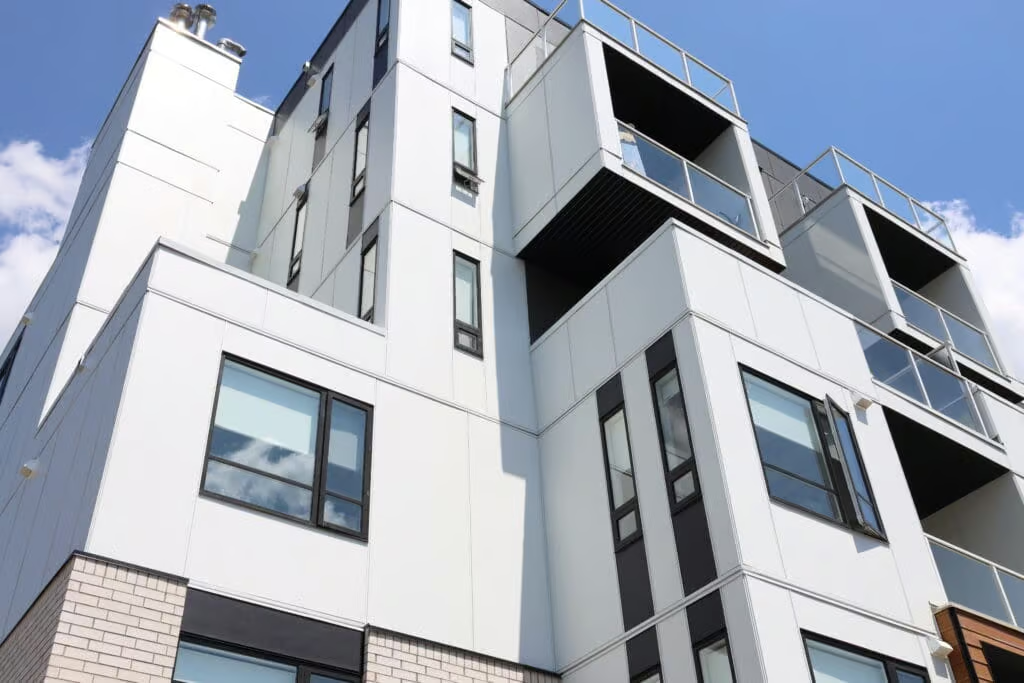
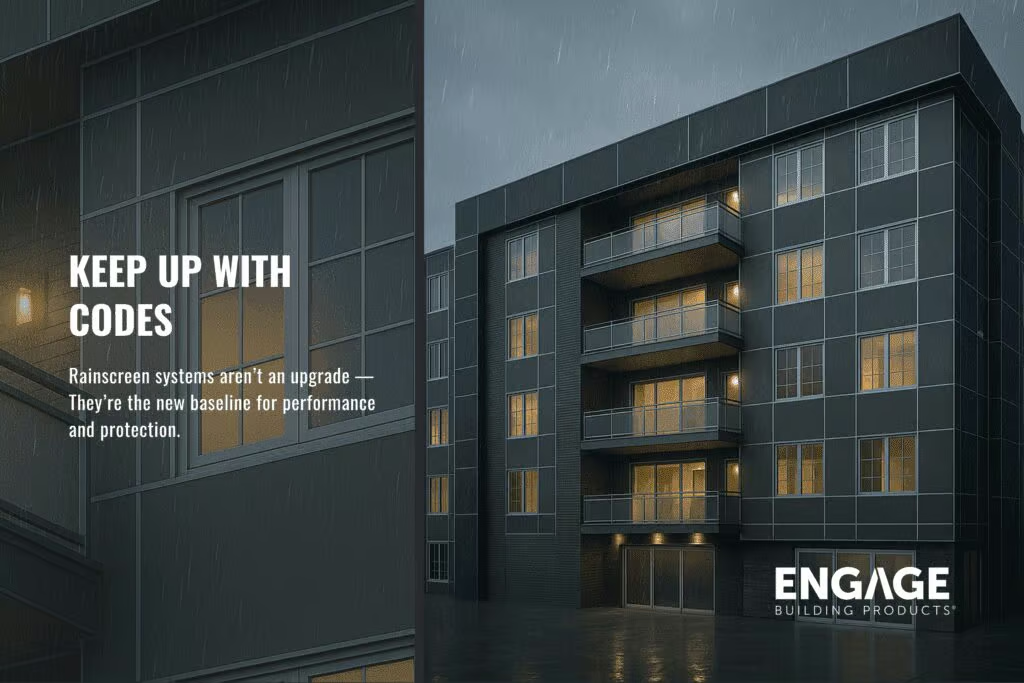
By contrast, rainscreen aluminum systems are engineered specifically to control water and airflow, eliminating hidden moisture damage.
Hail and Impact Considerations
Vinyl siding doesn’t handle impact well, and hail is one of its biggest weaknesses.
Even moderate storms can leave visible cracks, dents, or holes that expose the wall beneath to moisture. Because vinyl panels fade over time, colour-matching replacements are nearly impossible, which often means replacing entire sections of siding after a single storm.
Insurance companies are aware of this risk, and many of them treat hail damage to vinyl as an expected maintenance issue rather than a covered loss, leaving you with the repair bill.
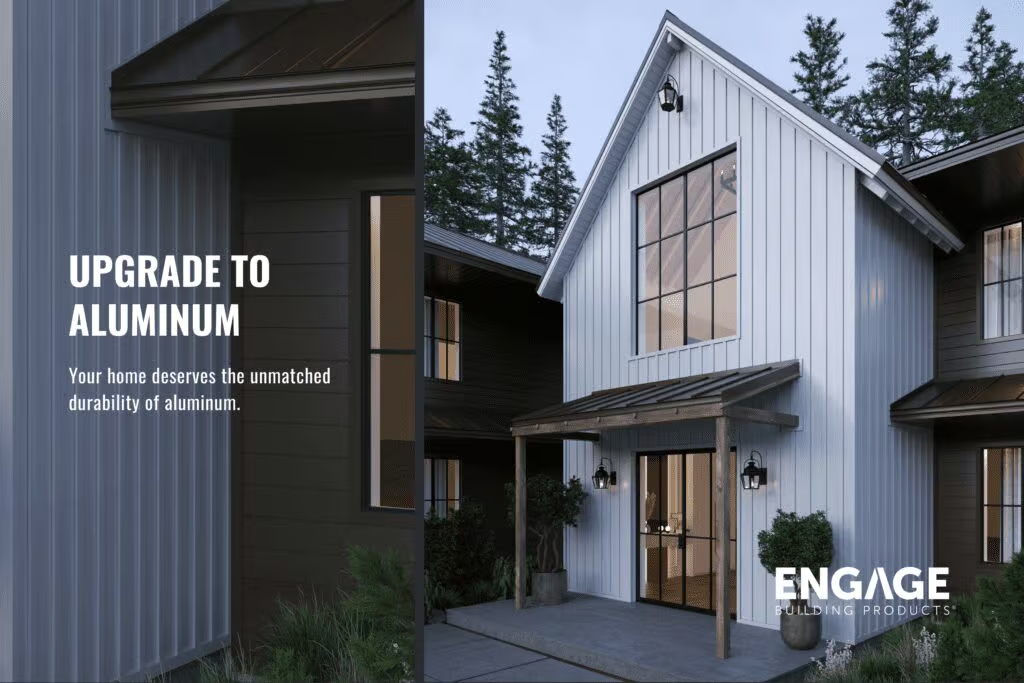
By contrast, aluminum cladding systems are engineered to withstand impact without cracking, denting, or losing structural integrity. They maintain their finish and performance far longer than vinyl and through far more severe conditions.
Fire Safety & Insurance Implications
Vinyl siding is made from PVC, which is a petroleum-based plastic that softens at 160°F and melts at around 165°F. In the event of a nearby fire, even radiant heat can cause melting, toxic smoke release, and flame spread.
Insurance providers in wildfire-prone and high-density areas increasingly discourage or surcharge vinyl cladding in favor of non-combustible materials like aluminum.
Color Over Time
Vinyl’s surface color is integral to the material, it’s not coated or painted. This means once the color fades or the surface cracks, it can’t be restored. Individual panels are difficult to match over time, so color differences between sun-exposed and shaded areas often lead to full wall replacement.
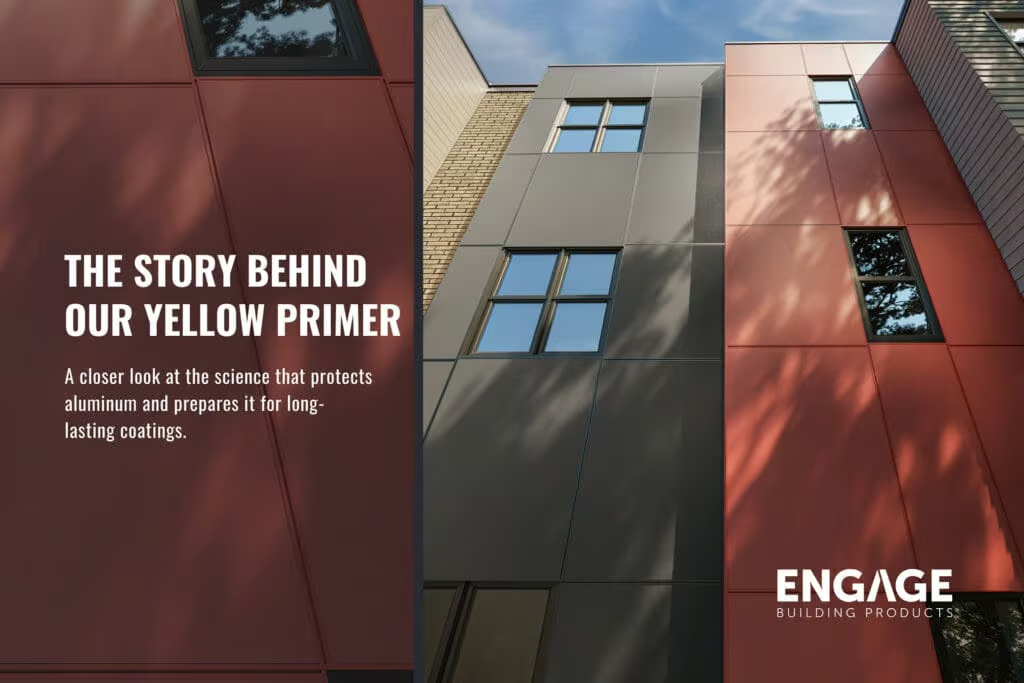
By contrast, powder-coated aluminum is known to retain it’s color for decades, even in extreme climates.
Environmental and Sustainability Concerns
Vinyl is derived from fossil fuels and releases dioxins and hydrochloric acid gas when burned. Most discarded vinyl siding ends up in a landfill.
Aluminum, however, is 100% recyclable. In fact, about 75% of all aluminum ever produced is still in use today.
The Long-Term Truth
The truth is, vinyl was never built to last. It scratches, fades unevenly, and warps under the same heat it’s supposed to protect us against. Seams pull apart, colors dull, and before you know it your entire façade begins to look tired. It was designed back in 1957 for affordability, not endurance. It was a quick fix that hardly stands the test of weather or time.
For builders and developers focused on performance, resale value, and risk reduction, aluminum cladding delivers measurable advantages — from fire protection to 50-year finishes and complete moisture control.
Final Takeaway
Vinyl wasn’t designed for the realities of modern construction. What was once considered “low-maintenance” now means short lifespans, likely repairs, and higher insurance costs. Builders and property owners who think long-term are moving away from temporary fixes and toward materials that perform for decades.
If your goal is to protect both the building and the balance sheet, it’s time to invest in durability.
Talk to a Building Envelope Specialist
Get expert insight on the best fire-rated, low-maintenance cladding options for your project. Our team can help you compare systems and find the right solutions for your climate and budget.