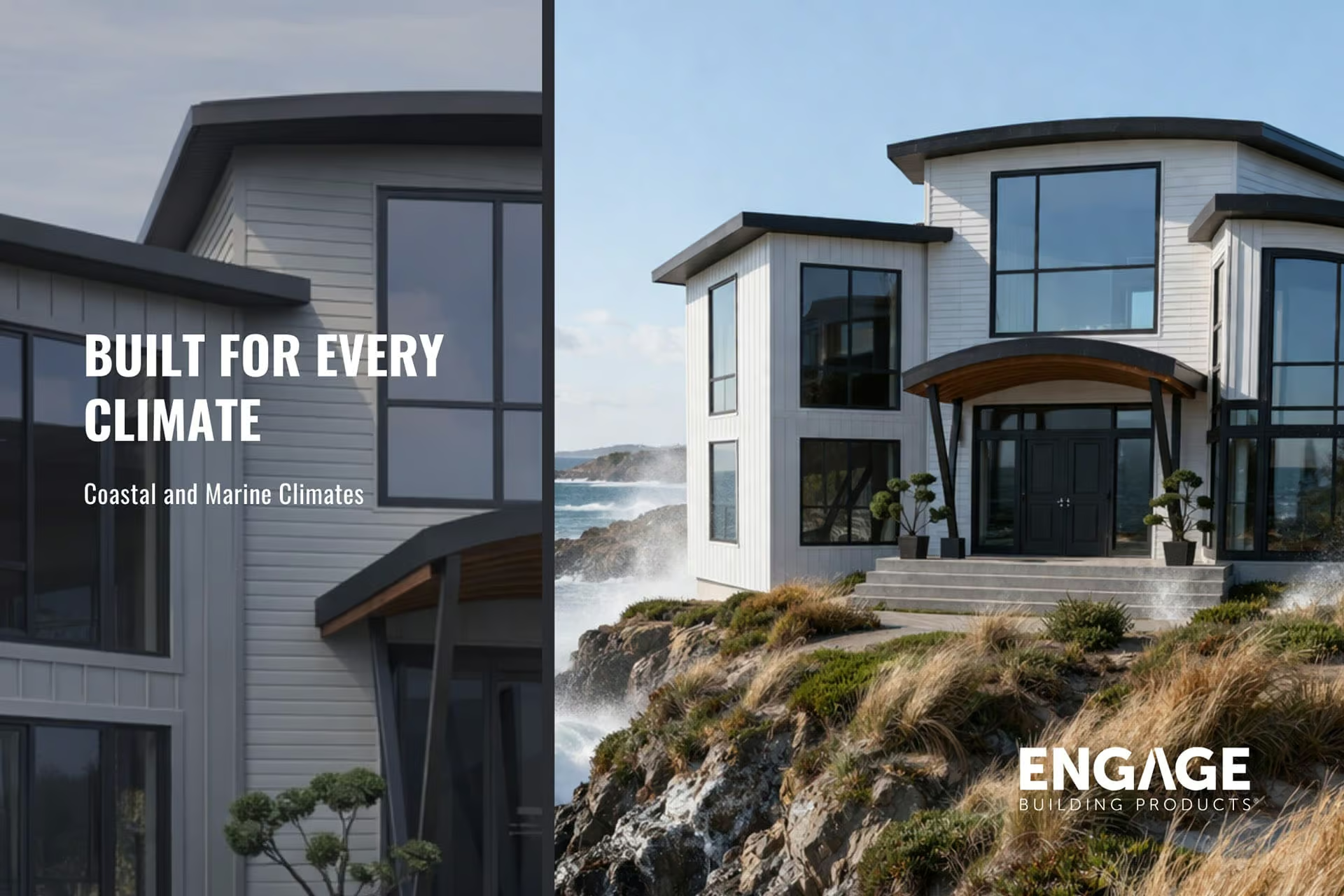
Buildings located near oceans, large lakes, or coastal shorelines are exposed to some of the most aggressive environmental conditions for exterior materials. Constant moisture, strong winds, and frequent storms all place significant stress on siding systems.
Even when rain is not falling, coastal air carries fine salt particles that settle on building surfaces. Over time, this salt can accelerate corrosion, degrade coatings, and shorten the lifespan of materials that are not designed for marine environments.
For buildings in coastal and marine climates, siding systems must be able to withstand salt exposure, persistent moisture, and wind-driven weather.
Key Challenges in Coastal Environments:
Coastal regions expose exterior walls to a combination of conditions that can gradually wear down siding materials.
Salty air
Ocean air contains airborne salt particles that settle on building surfaces. Salt can accelerate corrosion in metals and break down protective coatings if they are not designed for marine exposure. PVDF and powder coating are two of your best finish choices when it comes to protecting your siding from saltwater.
Persistent moisture
Humidity levels are often high near coastlines, and buildings may be exposed to frequent moisture in the form of rain or fog.
Wind-driven rain
Strong coastal winds can push rain horizontally against building façades, forcing water into joints and small openings.
Storm exposure
Coastal regions may also experience severe storms that bring high winds, heavy rain, and flying debris.
How Siding Fails in Marine Climates:
Without proper materials and protective finishes, coastal conditions can quickly lead to deterioration.
Common siding failures in coastal environments include:
• Corrosion caused by salt exposure
• Moisture accumulation behind siding due to wind-driven rain
• Premature wear of fasteners and trim components
The Importance of Corrosion Resistance
One of the most important considerations for coastal siding is resistance to corrosion. Materials exposed to salt air must be able to withstand constant contact with salt particles without deteriorating.
Exterior wall systems designed for marine environments typically include corrosion-resistant finishes such as PVDF and powder coating. Protective finishes play a major role in preserving both the appearance and durability of siding systems in these conditions.
Managing Moisture and Wind
Coastal buildings must also handle high levels of moisture combined with strong winds. Rain driven by wind can enter small openings in siding joints, making proper wall design essential.
Effective wall assemblies in coastal environments often include:
• Drainage paths that allow water to exit the wall
• Ventilation spaces that allow moisture to evaporate
• Secure fastening systems designed to withstand high winds
Rainscreen wall systems are particularly effective in these environments because they allow water that enters the cladding layer to drain away from the structure while promoting airflow behind the siding.
What to Look for in Siding for Coastal Regions
When selecting siding for buildings located near the ocean or large bodies of water, several performance characteristics are especially important.
High-performance coatings
Protective finishes should resist both salt and UV exposure.
Moisture management systems
Wall assemblies should allow drainage and ventilation behind the siding.
Wind-resistant installation systems
Cladding should be securely fastened and designed to withstand strong coastal winds.
The Takeaway
Coastal and marine climates expose buildings to a powerful combination of salt, moisture, and wind. These conditions can accelerate corrosion and coating degradation if siding systems are not designed for the environment.
By selecting corrosion-resistant finishes, and wall systems that manage both moisture and wind-driven rain, buildings in coastal regions can maintain their durability and appearance for many years.
In the next article in this series, we will explore siding performance in wildfire-prone climates, where resistance to heat and embers becomes a critical factor in exterior wall design