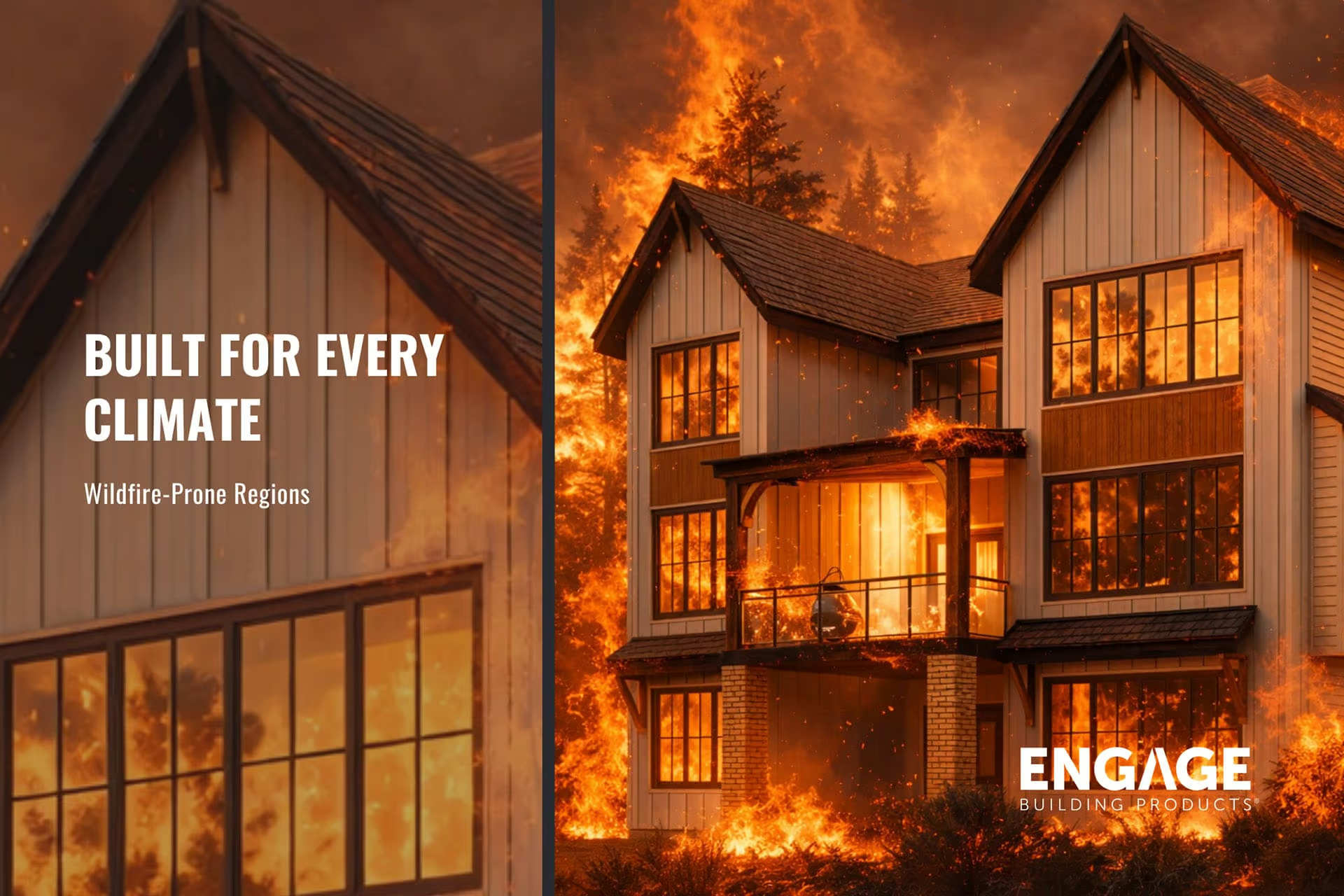
In regions where wildfires are a growing concern, exterior building materials play a critical role in protecting structures from ignition and fire spread. During a wildfire event, homes and buildings are rarely destroyed by direct flames alone. In most cases, wind-blown embers and radiant heat ignite vulnerable materials on or around the structure.
Because of this, siding selection becomes an important part of wildfire-resistant building design. Materials that resist ignition, withstand high heat, and maintain their structural integrity during fire exposure can significantly improve a building’s ability to survive wildfire conditions.
For buildings located in wildfire-prone regions, siding systems must prioritize non-combustibility, heat resistance, and durable construction.
Key Challenges in Wildfire Zones
Flying embers
During a wildfire, embers can travel long distances on wind currents. These embers often land on roofs, siding, and decks, where they can ignite combustible materials.
Radiant heat exposure
Even when flames do not reach a building directly, intense radiant heat from nearby fires can cause some materials to warp, melt, or ignite.
Extreme temperatures
Wildfires generate extremely high temperatures that can quickly degrade materials that are not designed to withstand heat.
Dry environmental conditions
Wildfire-prone areas are typically characterized by dry vegetation and low humidity, which allow fires to spread rapidly.
How Siding Fails During Wildfires
Exterior materials that are combustible or heat-sensitive can contribute to fire spread across the building envelope.
Common siding failures in wildfire conditions include:
• Ignition from embers landing on combustible materials
• Melting or deformation of heat-sensitive siding such as vinyl
• Fire spreading along the exterior wall surface
Once siding ignites or fails, flames can quickly reach the wall assembly and other structural components.
The Importance of Non-Combustible Materials
One of the most effective ways to improve wildfire resistance is to use non-combustible or fire-rated exterior materials. Non-combustible siding does not ignite when exposed to embers or direct flame, helping prevent fire from spreading along the exterior wall.
Building codes in wildfire-prone regions increasingly encourage or require the use of materials that have been tested for fire performance.
Common characteristics of wildfire-resistant siding include:
• Non-combustible material composition
• Resistance to ignition from embers
• Structural stability at elevated temperatures
• Fire testing and compliance with recognized standards
These properties help reduce the likelihood that exterior cladding will contribute to fire spread.
What to Look for in Siding for Wildfire Areas
• Non-combustible materials
• Fire-tested assemblies
• Durable construction
• Minimal fuel sources
Designing Exterior Walls for Fire Resilience
Wildfire-resistant design extends beyond siding selection alone. Exterior wall systems should also be detailed to minimize areas where embers can accumulate or penetrate the building envelope.
Effective design strategies may include:
• Properly sealed joints and transitions
• Durable trim and accessory components
• Wall assemblies designed to resist fire exposure
When combined with other fire-resistant building practices, these measures help reduce the vulnerability of structures in wildfire-prone areas.
The Takeaway
Wildfires present a serious threat to buildings in many regions, but thoughtful material selection can significantly improve a structure’s resilience. Siding systems made from non-combustible materials and designed to withstand heat exposure help prevent exterior walls from becoming a pathway for fire spread.
By prioritizing fire-resistant materials and well-designed wall assemblies, buildings in wildfire-prone climates can achieve greater durability and improved protection during wildfire events.
In the next article in this series, we will examine siding performance in high-wind and severe storm climates, where structural strength and wind resistance become the most important considerations for exterior cladding systems.