Walk through almost any residential neighborhood and a pattern quietly repeats itself.
Lines that move left to right.
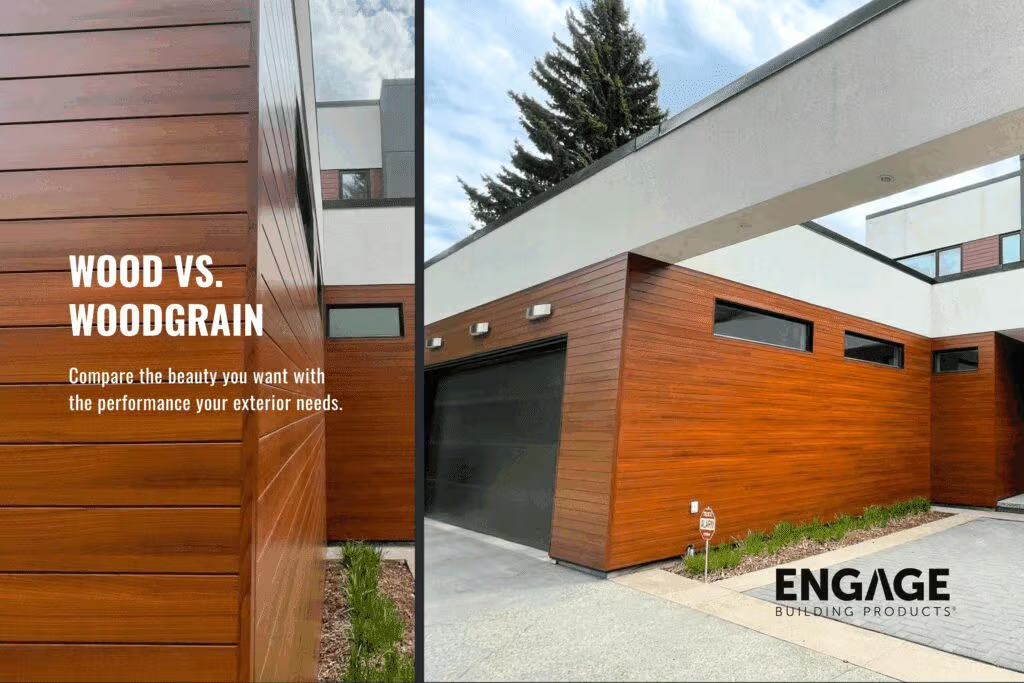
Horizontal siding has dominated homebuilding for generations. There is something about horizontal lines that feels settled. Familiar. Protective.
And that feeling is not coincidental.
The Horizon Effect: Why Our Brains Trust Horizontal
In perceptual psychology, horizontal lines are associated with stability and rest. The most stable visual reference in our lives is the horizon — the line where sky meets earth.
We evolved orienting ourselves to that line. It signals balance. Safety. Ground.
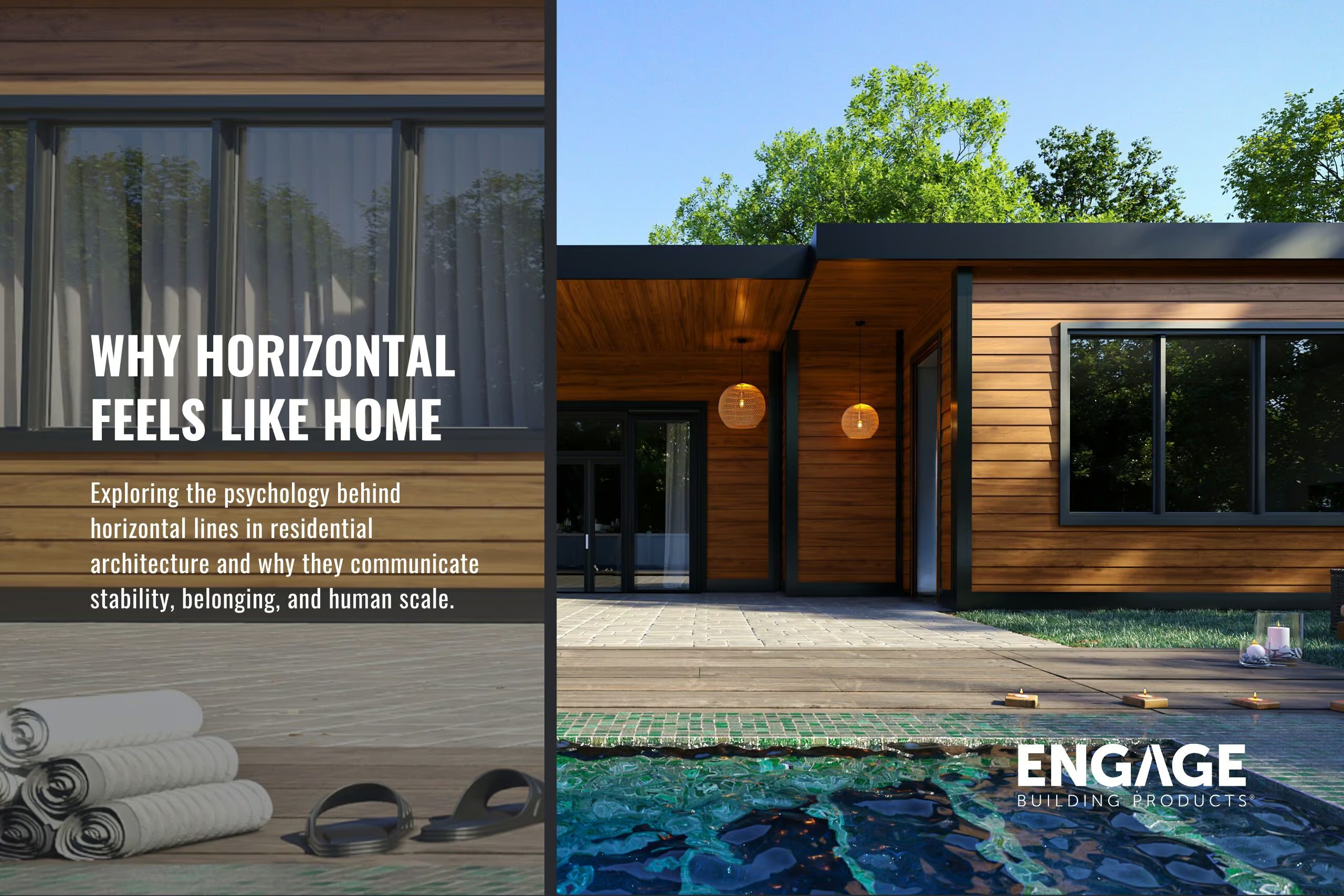
When a house is wrapped in horizontal siding, it visually connects to that same orientation. The brain reads it as grounded. Anchored. Safe. Commercial buildings strive to rise while homes are designed to rest. Horizontal expression supports that emotional expectation.
How does it hold up in tough conditions?
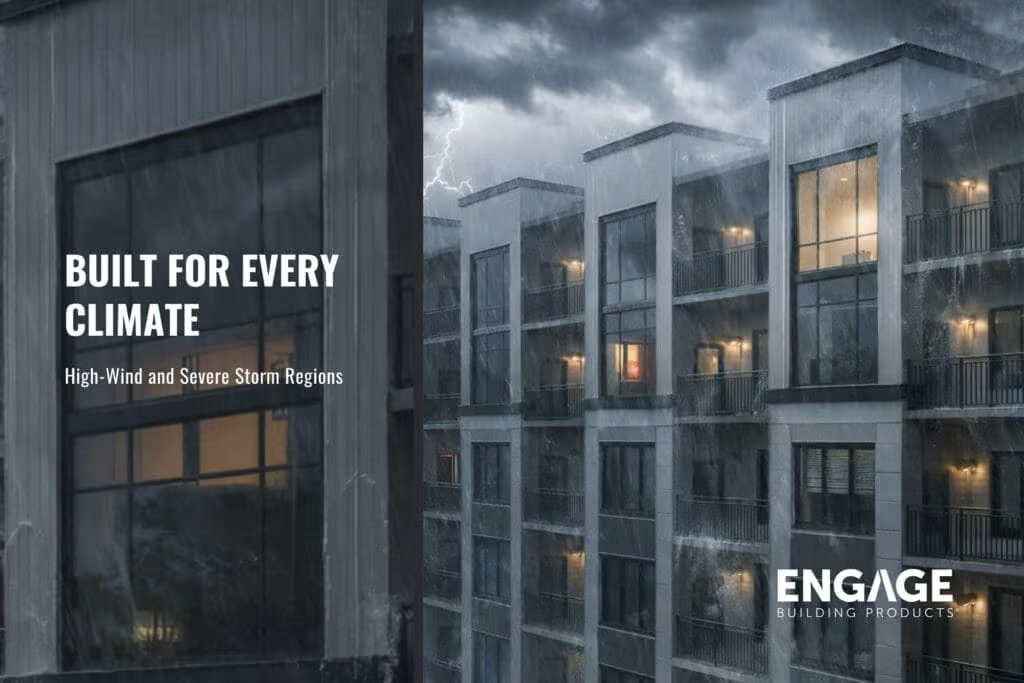
Aluminum doesn’t just survive extreme weather; it thrives in it.
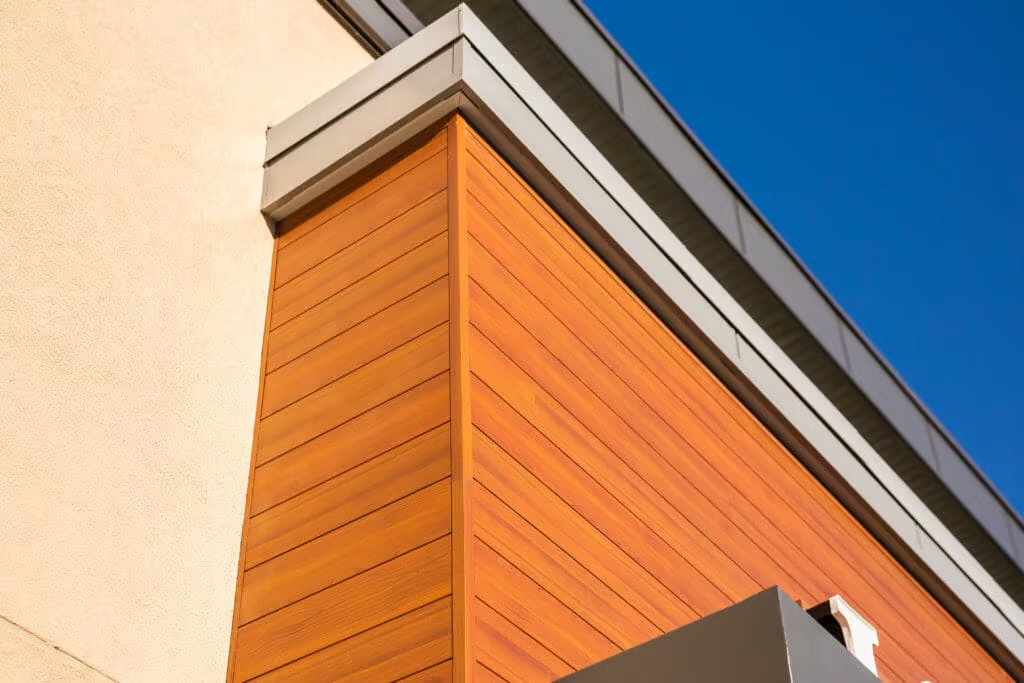
In high-wind areas, its rigidity means less flex and deflection compared to lighter panels or siding that can ripple or rattle. It’s naturally non-combustible, which is a big plus in wildfire-prone regions or anywhere fire codes are strict. High-quality powder-coated or anodized finishes stay color-true under intense UV without the chalking or fading you see on painted wood or vinyl. And because it expands and contracts minimally with temperature swings, you avoid the buckling, cracking, or joint failures common in stucco, fiber cement, or even some composite systems during freeze-thaw cycles.
For projects facing heavy sun, coastal salt spray, brutal winters, or prairie gusts, extruded aluminum often ends up being the safer, lower-risk option.
Belonging to the Landscape
Residential architecture typically lives within the natural context of lawns, trees, terrain, and sky. Horizontal lines echo those environmental layers.
When architecture mirrors landscape, environmental psychologists refer to this as place congruence—a sense that structure and setting align.
That alignment feels calming. It reduces visual tension.
Commercial buildings often seek visibility and distinction. Homes seek harmony and belonging. Horizontal siding makes a structure feel integrated instead of imposed.
Width Feels Welcoming
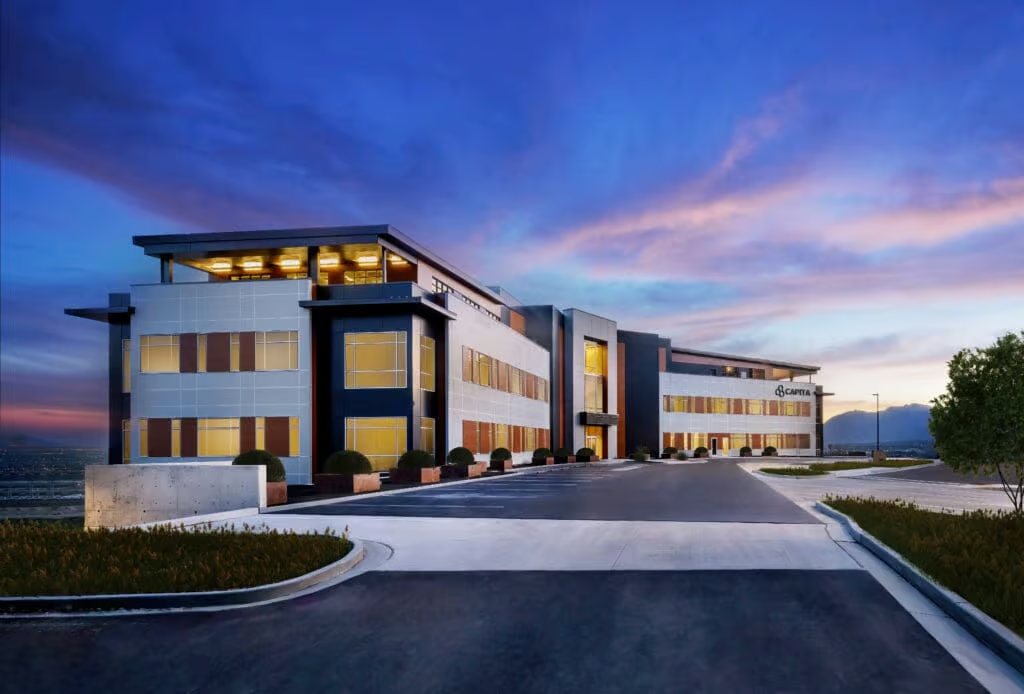
Vertical lines draw the eye upward. They create lift and emphasis. That’s powerful in office towers, retail façades, and civic buildings.
But homes are rarely meant to inspire awe.
Horizontal lines stretch laterally. They visually widen a structure. They reduce perceived height dominance. They create an embrace instead of monumentality.
In cognitive terms, wider forms tend to feel:
- More approachable
- Less intimidating
- More human-scaled
Predictable Rhythm Creates Comfort
The human brain prefers patterns it can predict.
Horizontal siding introduces consistent repetition. Evenly spaced shadow lines and controlled rhythm across the façade.
Repetition reduces cognitive load and signals order and reliability. It is quiet consistency—and consistency feels safe.
Cultural Memory Matters
There is also familiarity at play.
Traditional lap siding. Mid-century ranch homes. Coastal cottages. Suburban neighborhoods.
For decades, horizontal cladding has visually defined “house” in North American culture.
Repeated exposure shapes expectation. Expectation shapes comfort.
When people see horizontal siding, it activates stored memories of childhood, stability, and routine.
It feels like home because, culturally, it has been home.
Human Scale vs Institutional Scale
Vertical dominance often feels taller than we are.
Horizontal emphasis aligns closer to human eye level. It meets us instead of towering over us.
Commercial architecture benefits from hierarchy.
Residential architecture benefits from intimacy.
Horizontal lines reduce psychological distance between person and building.
They create approachability.
The Emotional Difference
Homes are associated with:
- Security
- Belonging
- Emotional reset
- Restoration
Commercial spaces are associated with:
- Productivity
- Growth
- Authority
- Visibility
Vertical language supports ambition.
Horizontal language supports sanctuary.
When siding runs horizontally, it encodes that sanctuary into the façade itself.
Design Is Never Neutral
Cladding is not just protection. It is communication.
Every line carries meaning.
Horizontal siding tells a quiet story of stability, rhythm, and belonging. It visually grounds a structure before anyone ever steps inside.
That is why horizontal feels like home.
Not because it is common.
But because it aligns with how we experience safety, landscape, memory, and scale.
And that alignment is powerful.
Build That Feeling Into Every Elevation
If horizontal lines feel like home, the material that shapes them matters.
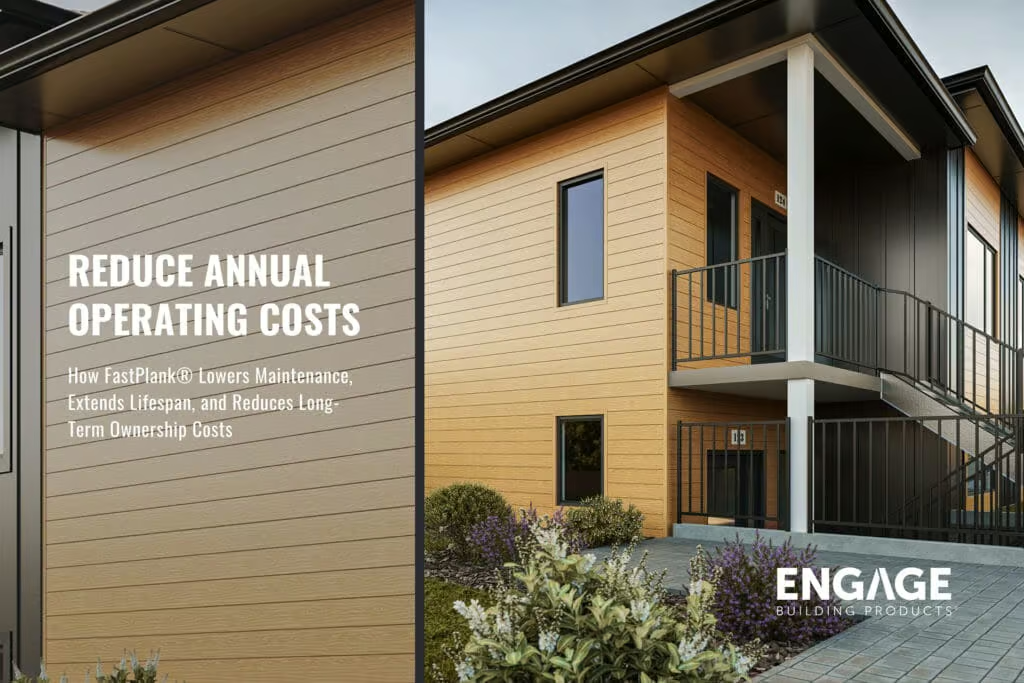
FastPlank® delivers precision-engineered horizontal geometry designed to create clean shadow lines, disciplined rhythm, and lasting visual clarity. Crafted from extruded aluminum, it offers the consistency and durability modern residential architecture demands while preserving the calm, grounded expression that makes a house feel welcoming.
Ground your next project in intentional design.