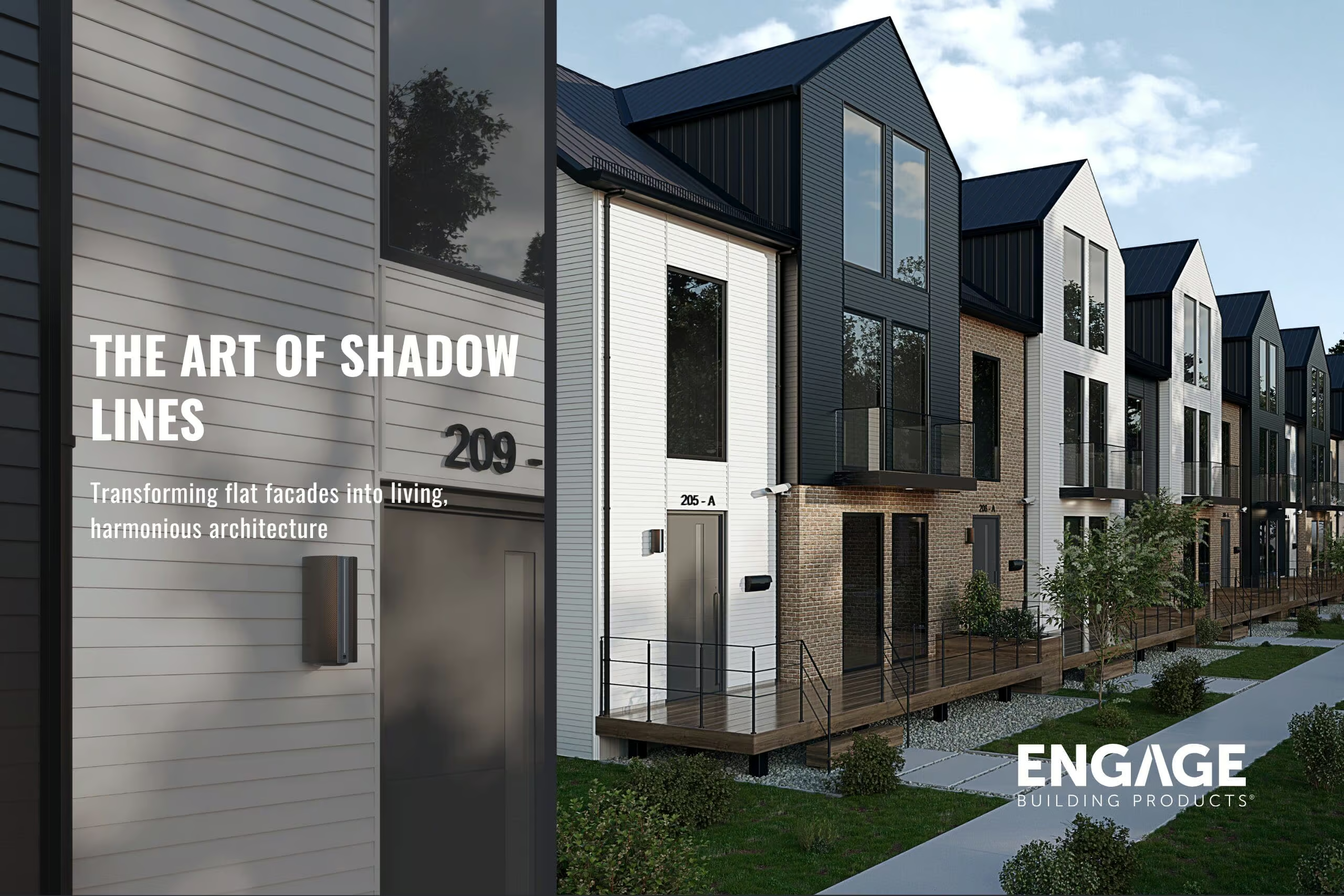
Shadow lines are one of those quiet but incredibly powerful tools in exterior architecture. They take a flat wall and turn it into something that feels alive simply by playing with light and shadow. If you’re designing buildings, getting a handle on shadow lines isn’t optional; it’s what separates a façade that looks good on paper from one that actually feels memorable in real life.
In this post, we’ll dig into what shadow lines really are, how they’ve been used in both traditional and modern architecture, and why they still matter so much when you want a building to look strong and composed, no matter how the light changes.
What Are Shadow Lines?
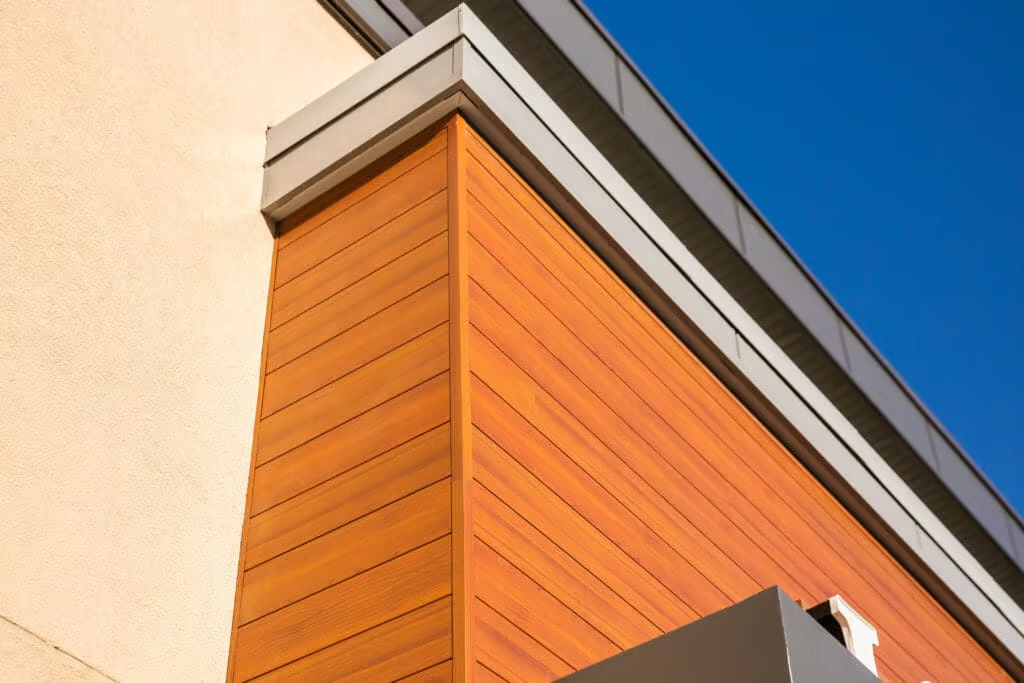
A shadow line is that dark edge or recess you see when sunlight hits a building’s profiled surfaces, joints, or deliberate gaps—think cornices, cladding edges, fins, or screens. These lines give the façade depth and visual interest. The magic happens when they’re consistent and controlled. That’s what turns random shadows into an intentional architectural language that makes the whole building feel calm and put-together.
How Siding Fails During Severe Storms
When siding systems are not designed for high-wind environments, storm conditions can quickly expose structural weaknesses.
Common siding failures include:
• Panels or planks detaching from the wall due to insufficient fastening
• Water intrusion caused by wind-driven rain entering joints or gaps
• Damage from impact when hail strikes the exterior surface
Once siding is compromised, the wall assembly behind it becomes vulnerable to moisture infiltration and further structural damage.
Classical and Traditional Shadow Lines
Traditional architecture has always been obsessed with shadow lines, and for good reason. They bring grandeur and legibility to a building. Cornices, dentils, and architraves weren’t just decorative; they were carefully shaped to catch raking sunlight and throw dramatic shadows at certain times of day.
– Georgian and Federal buildings use bold mouldings that create rich, theatrical plays of light and shadow.
– Greek Revival goes for sharp, crisp lines that give a sense of strength and permanence.
These details help guide your eye across the façade, break up large surfaces, and signal quality even from a distance. The right profile means the building “reads” well in natural light, which is exactly why so many of them still look timeless today.
Modern Shadow Lines
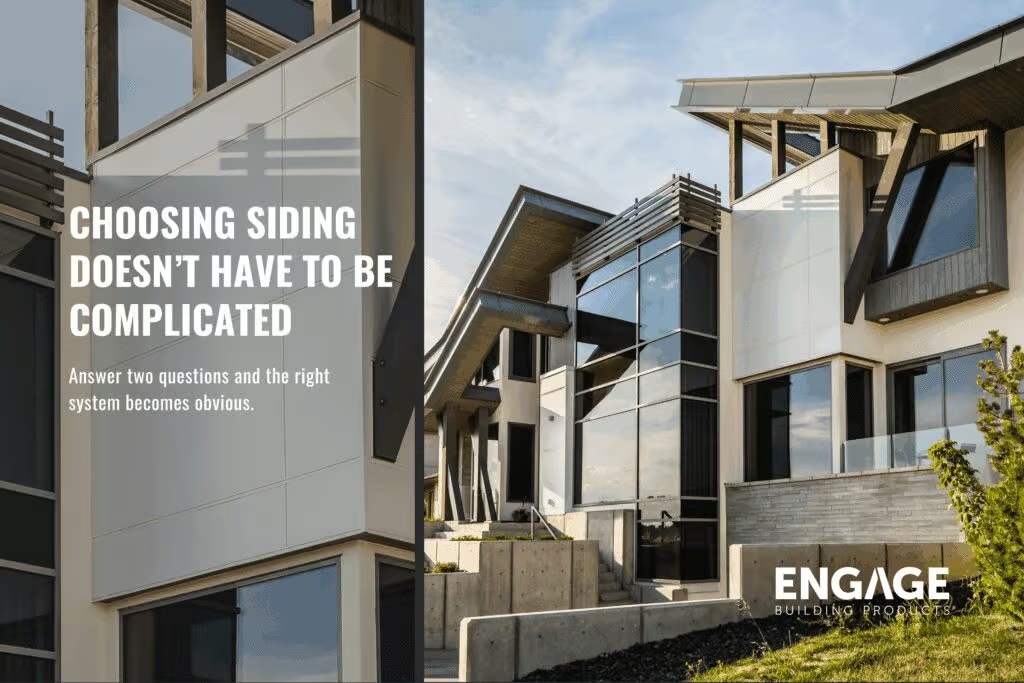
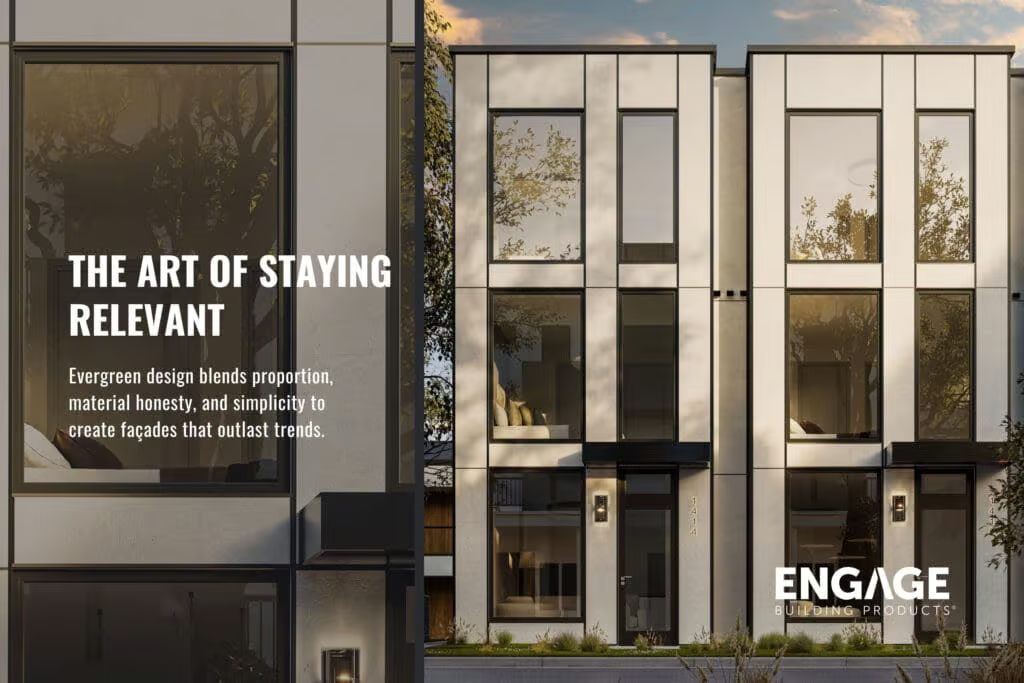
Modern architecture takes a different but equally deliberate approach. Instead of heavy ornament, you get clean recesses between panels, material transitions, or shadow gaps behind battens. These crisp lines emphasize geometry and let materials breathe.
You’ll see it in trim with reveals and finned or perforated screens. Vertical or horizontal cladding with intentional gaps adds texture without fuss. Battens cast shifting shadows throughout the day, while perforated panels create beautiful, ever-changing light patterns that also help with solar control.
And practically? These gaps are smart. They allow ventilation, hide fixings, and give materials room to expand and contract. Form and function work together.
Both classical and modern approaches ultimately depend on the same thing: the sun’s angle, intensity, and direction as it moves across the building.
Why Shadow Lines Matter So Much
Here’s why they deserve serious attention in any exterior design:
1. Aesthetic Depth
Shadows turn flat surfaces into sculptural ones. The building feels responsive to its environment. The facade looks much different at 9 a.m. than it does at 4 p.m.
2. Solar Performance
Well-placed reveals and fins cut glare, reduce heat gain, and improve energy efficiency. Good shadow studies make a real difference here.
3. Material Honesty and Durability
Gaps hide joints, accommodate movement, and reduce visible wear. They let materials do what they naturally do without looking messy.
4. Context and Identity
Shadow lines help a building relate to its neighbors or make a confident contemporary statement. They’re great for curb appeal and brand expression.
5. Lighting Flexibility
What works in daylight can look even more dramatic at night with careful uplighting or grazing fixtures.
Practical Tips for Getting Shadow Lines Right
• Scale them properly. Bigger buildings and longer viewing distances need deeper reveals. What looks great up close can vanish from the street.
• Keep the rhythm consistent. Space your lines out evenly for the best result.
• Build in real-world tolerances. Leave enough room for expansion, contraction, and imperfect installation.
• Choose the right system. Systems like EasyTrim’s precision reveal trims are engineered specifically for this purpose. They hold crisp, consistent lines even with material movement and everyday installation realities.
Light, Shadow, and Buildings That Last
At the end of the day, great architecture isn’t just about shape; it’s about how light sculpts that shape over hours, seasons, and years. Whether it’s a beautifully detailed classical cornice or a sleek modern shadow-gap system, these lines are what give a building its soul.
Next time you pass a façade with perfectly balanced shadow lines, pause for a moment. You’ll feel it—that quiet wave of peace and serenity that washes over you as the shadows bring order, depth, and harmony to the entire composition. In a busy world, it’s a small but profound kind of beauty.
Ready to bring better shadow lines to your next project?
Explore EasyTrim → Precision-engineered cladding trims with deep reveals designed specifically for clean, controlled, and consistent shadow details.