What Is Rainscreen Siding and Why Building Codes Are Moving Toward Mandatory Systems
Moisture intrusion is one of the leading causes of building envelope failure in North America. From rot and mold to structural degradation and costly insurance claims, unmanaged moisture behind exterior cladding is a silent threat to buildings, and it’s driving major changes in building codes across multiple regions.
This is where rainscreen siding systems come in.
Once considered an “optional upgrade,” rainscreen assemblies are rapidly becoming the new standard for durable, code-compliant construction. In this article, we’ll explain what rainscreen siding is, how it works, and why building codes particularly in Canada, the Pacific Northwest, and coastal U.S. regions are increasingly requiring it.
What Is a Rainscreen?
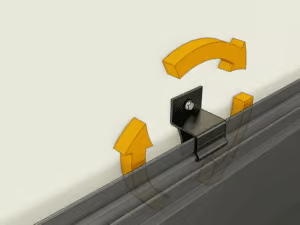
A rainscreen is a layered wall system designed to keep water out and let the wall dry out if moisture does get in.
A Rainscreen System Has Three Main Components:
1. Exterior cladding
2. A ventilated air cavity
3. A water-resistive barrier (WRB)
The goal is not to just to stop water from getting in, but to let the small amount that does get in to escape and dry quickly before damage occurs.
Why Siding Systems Without Rainscreens Are Failing
Traditional siding systems trap moisture behind the wall, which causes:
• Mold growth
• Indoor air quality issues
• Rot and decay
• Paint peeling and swelling
• Insurance claims
• Accelerated deterioration
Modern rainscreen systems actively manage moisture, preventing the issues listed above.
Why Building Codes Are Moving Toward Rainscreen Requirements
Regions with high rainfall and humidity are the first to adopt mandatory rainscreen regulations — and others are quickly following.
| Region | Rainscreen Code Status | Reason |
| British Columbia (Canada) | Mandatory | High rainfall and building failure litigation |
| Pacific Northwest (U.S.) | Adopted or pending in many jurisdictions | Persistent moisture exposure |
| California & Western US | Increasing adoption | Mold risk, energy efficiency, wildfire resilience |
| Northeast (Canada & US) | Emerging | Freeze-thaw cycles trapping water behind walls |
Rainscreen assemblies are becoming code-mandated because they are proven to prevent moisture-related failures.
How a Rainscreen System Protects Your Building
1. Stops Moisture Damage
Water that penetrates siding drains down and out through the air gap.
2. Allows Walls to Breathe
Ventilation airflow helps the wall dry quickly, which is crucial for preventing rot and mold.
3. Improves Fire & Thermal Performance
Many rainscreen systems integrate non-combustible cladding and thermal breaks for enhanced energy efficiency and fire resistance.
4. Extends Building Lifespan
Buildings with rainscreen cladding maintain integrity for decades longer than those without proper drainage.
Rainscreen vs. Traditional Siding (Head-to-Head)
| Feature | Traditional Siding System | Rainscreen System |
| Moisture Management | Passive (traps moisture) | Active drainage & ventilation |
| Mold/Rot Risk | High | Minimal |
| Code Compliance | Declining | Future-proof |
| Maintenance Costs | Ongoing repairs | Reduced lifetime maintenance |
| Building Insurance | Risk-rated | Preferred by insurers |
| Lifespan | 15–25 years | 50+ years |
Why Rainscreen Siding Is Becoming the Global Standard
Climate change is creating more extreme rainfall events, stricter energy codes, and rising litigation around construction defects. Rainscreen siding is no longer just a performance upgrade—it’s becoming an essential risk management strategy.
Owners, developers, and architects who choose rainscreen systems are:
• Reducing liability
• Improving long-term asset value
• Protecting occupants from mold and structural failure
• Future-proofing against insurance and regulatory changes
Final Takeaway
Rainscreen siding is not just a trend; it’s the future of building envelope design.
As building codes evolve toward higher standards of safety, sustainability, and resilience, rainscreen systems are emerging as a non-negotiable requirement for architects, builders, and forward-thinking homeowners.
✅ Better moisture control
✅ Longer-lasting façades
✅ Higher resale value and insurance eligibility
Planning a New Build or Retrofit?
Let us show you how a rainscreen cladding system can reduce liability, eliminate moisture problems, and future-proof your project against changing regulations.
Get a code-ready, cost-optimized rainscreen design recommendation customized to your climate zone and building type.