




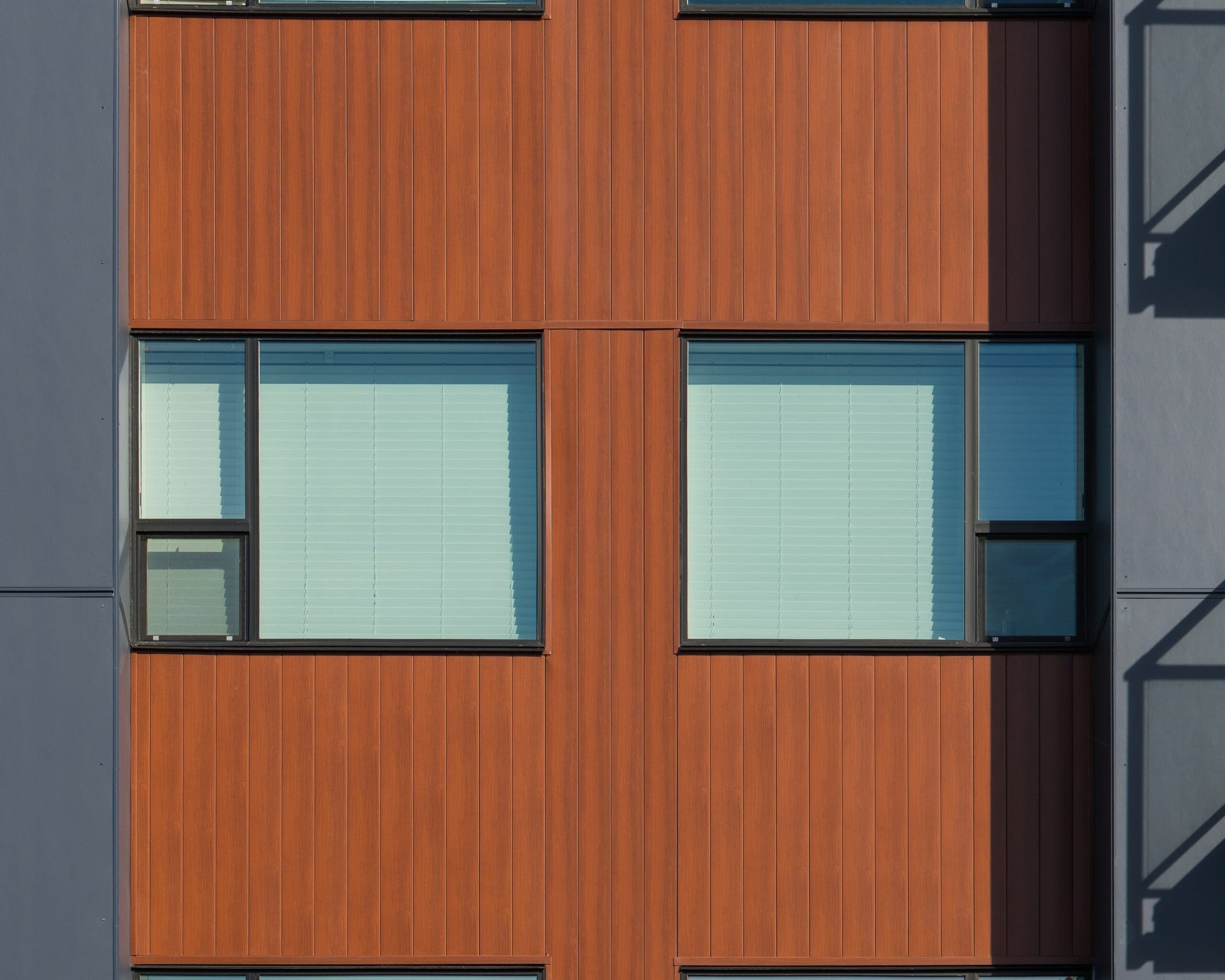
February 22, 2024
Our Commitment to the 2030 Challenge Materials Pledge
Designing for Adaptability, Deconstruction, and Reuse
One of the biggest sources of human-induced greenhouse gas (GHG) emissions is buildings—the materials required to construct them, and the energy required to maintain them. Buildings alone account for 39% of GHG emissions with almost half of those emissions coming from building materials. Eliminating these emissions is key to addressing climate change and meeting Paris Climate Agreement targets.
To accomplish this, Architecture 2030 issued the 2030 Challenge to the architecture and building community, with the goal of rapidly transforming the built environment from a major emitter of greenhouse gases to a central solution to the climate crisis.
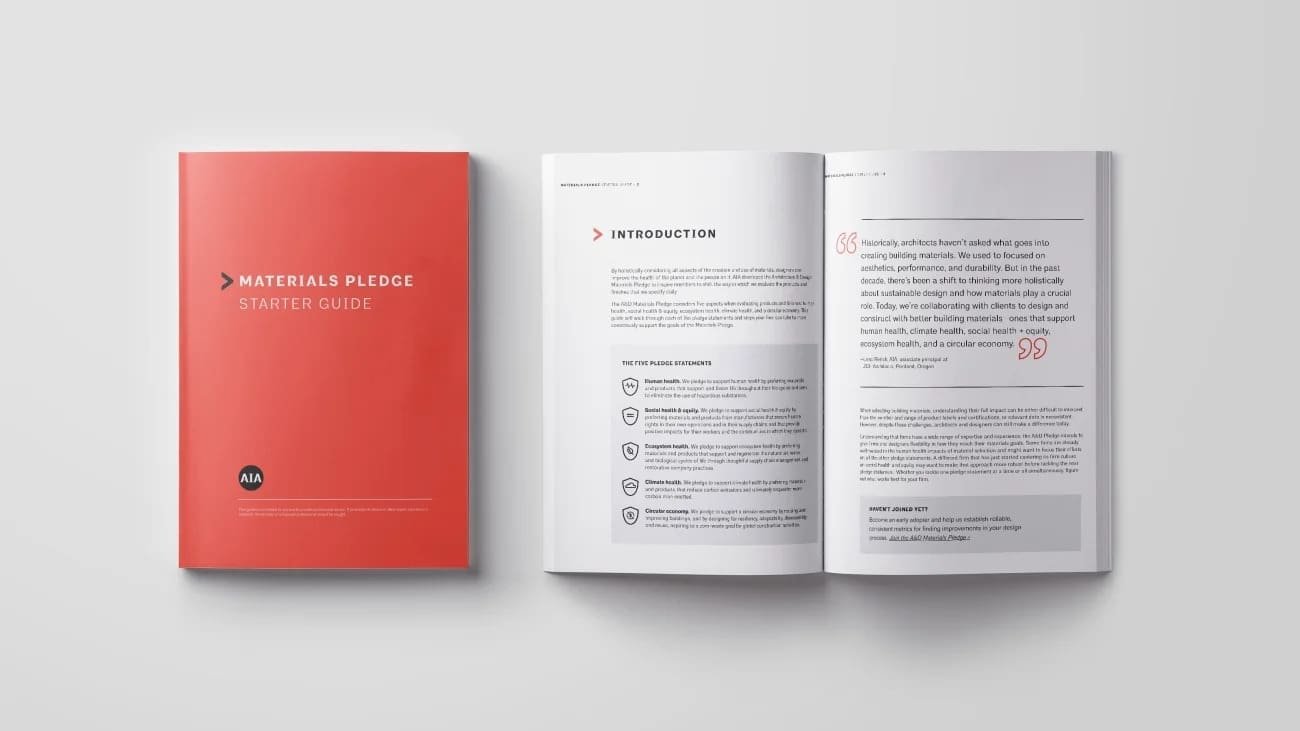
In response to the challenge, the American Institute of Architects (AIA) has developed the Architecture & Design Materials Pledge to inspire a positive shift in materials specification. At Engage Building Products, we believe it is our responsibility to support the pledge and provide architects with sustainable materials that can easily be recovered and recycled to keep building materials out of landfills.
Long-Lasting
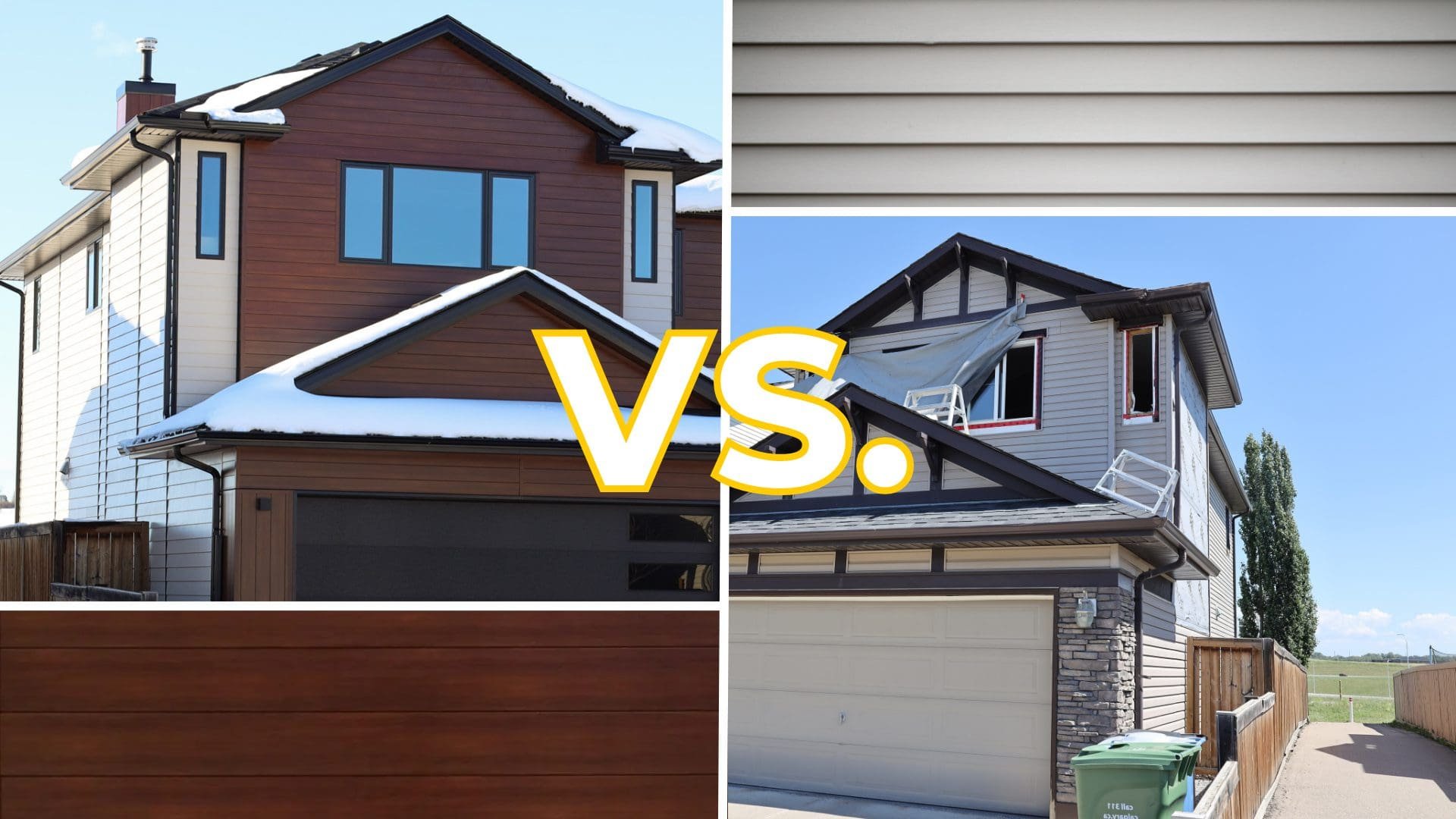
As opposed to traditional materials such as PVC-based vinyl siding, woodgrain aluminum siding is ultra-durable and highly resistant to extreme temperatures, moisture, and even pests. Vinyl siding is subject to cracking or fading over the course of just a few years, whereas aluminum siding lasts much longer before needing repairs or replacements.
Sustainable and Recyclable
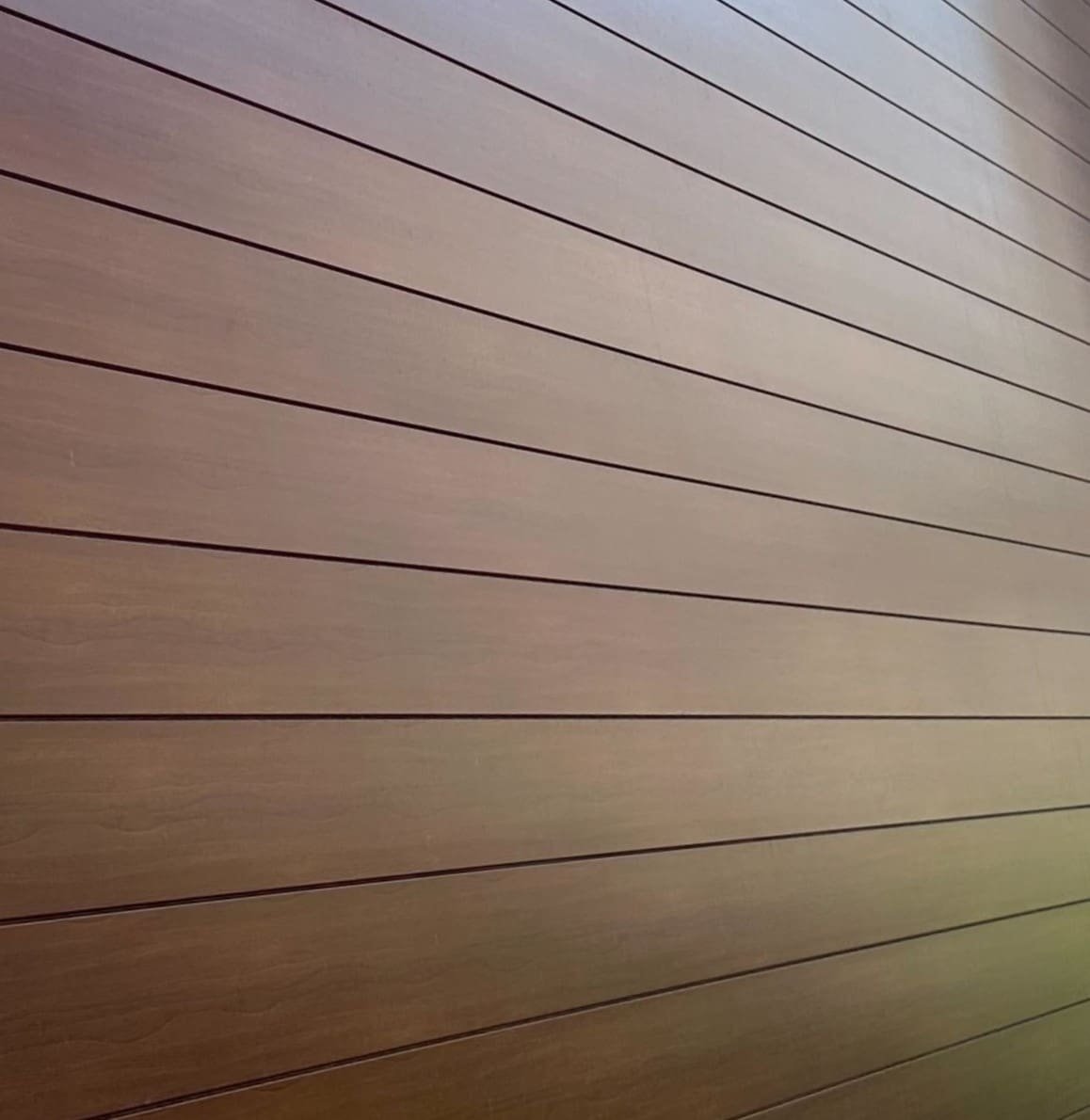
Woodgrain aluminum siding and trims are made primarily from aluminum, meaning its production produces far less GHG emissions than more commonly used materials. Aluminum is the most abundant metal found in the earth’s crust, so there is little concern of using up the earth’s aluminum supply.
Aluminum is also 100% recyclable, and it can even be recycled over and over without any loss in material quality. In fact, it is one of the most recycled materials in the world. Furthermore, aluminum is so receptive to recycling, that it can even be recycled into the exact same product. This is important since many common construction materials, such as low-E glass, cannot be recycled which means these products end up in landfills.
Aluminum trims and siding are sustainably manufactured and nearly 75% of all aluminum ever produced is still in use today, keeping aluminum building products out of landfills and providing for a more circular economy.
Conducive to Building Reuse
Another barrier to reducing GHG emissions is the deconstruction of old buildings making way for new construction projects that will increase these emissions; so, reusing older buildings for new projects is essential for minimizing the impact of production on the environment. Aluminum siding is easy to remove from buildings and disassemble, making it an effective material when considering the potential for building reuse in the future.
Woodgrain aluminum siding may only be one part of the equation when looking at the potential reusability of a building, but if all other building materials used are as recyclable and easily deconstructed as aluminum siding, then it will make for an easier process to repurpose and reuse older buildings.
Our Contribution To a Cleaner Building Sector
Tackling the significant contribution of buildings to greenhouse gas emissions demands urgent and concerted action. The 2030 Challenge for Embodied Carbon and The Materials Pledge present actionable steps for the architecture and building community to adopt stringent material selection criteria.
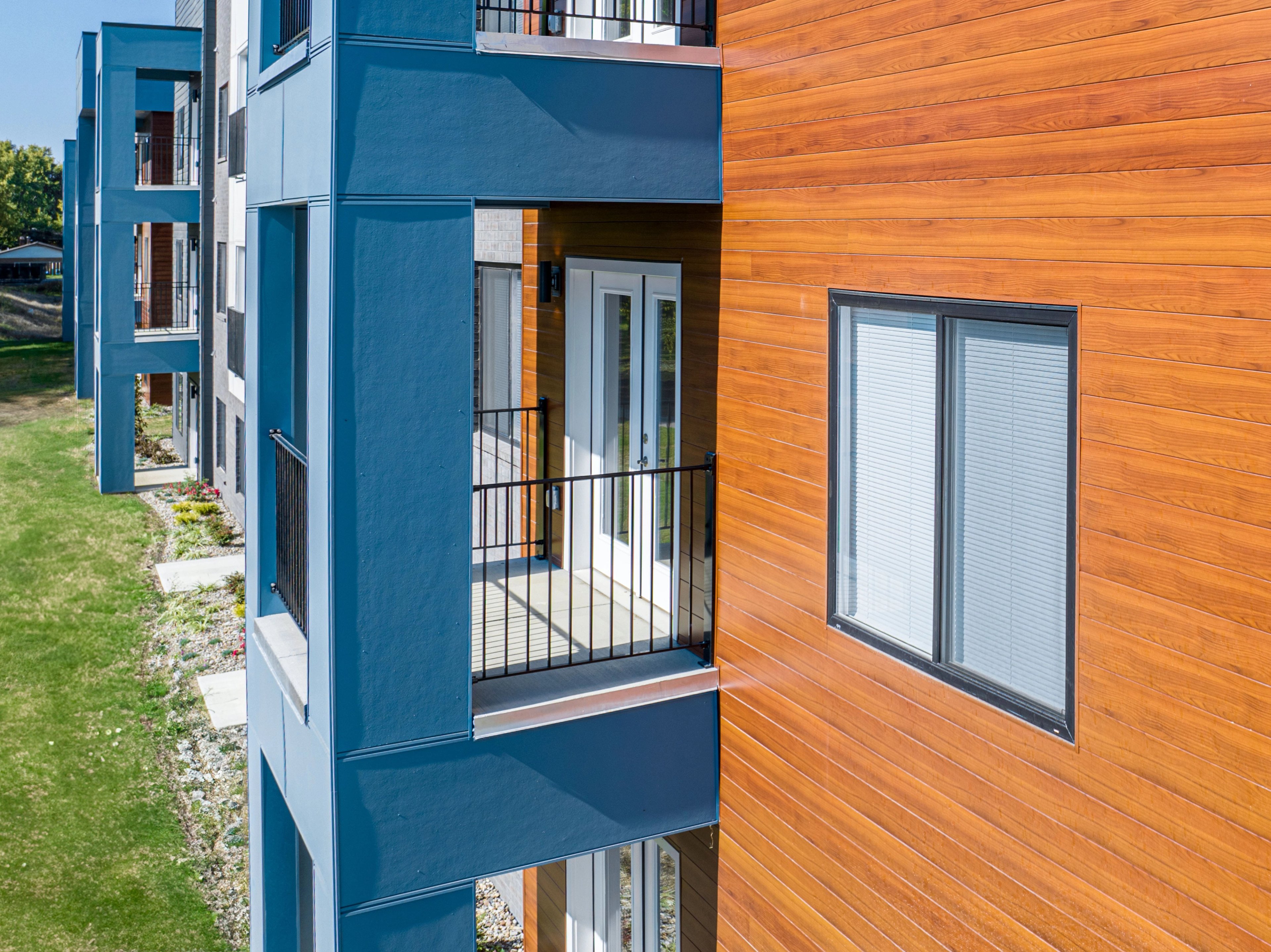
At Engage, we are committed to sourcing sustainable building materials for our clients to help do our part in reducing GHG emissions. Woodgrain aluminum siding has proven to be a highly sustainable and recyclable material, and it is easily adaptable to client needs, whether that involves new projects or repurposing old ones.
Related Articles

FastPlank®
Upgrade your Stucco Siding with FastPlank® [VIDEO]
January 19, 2024
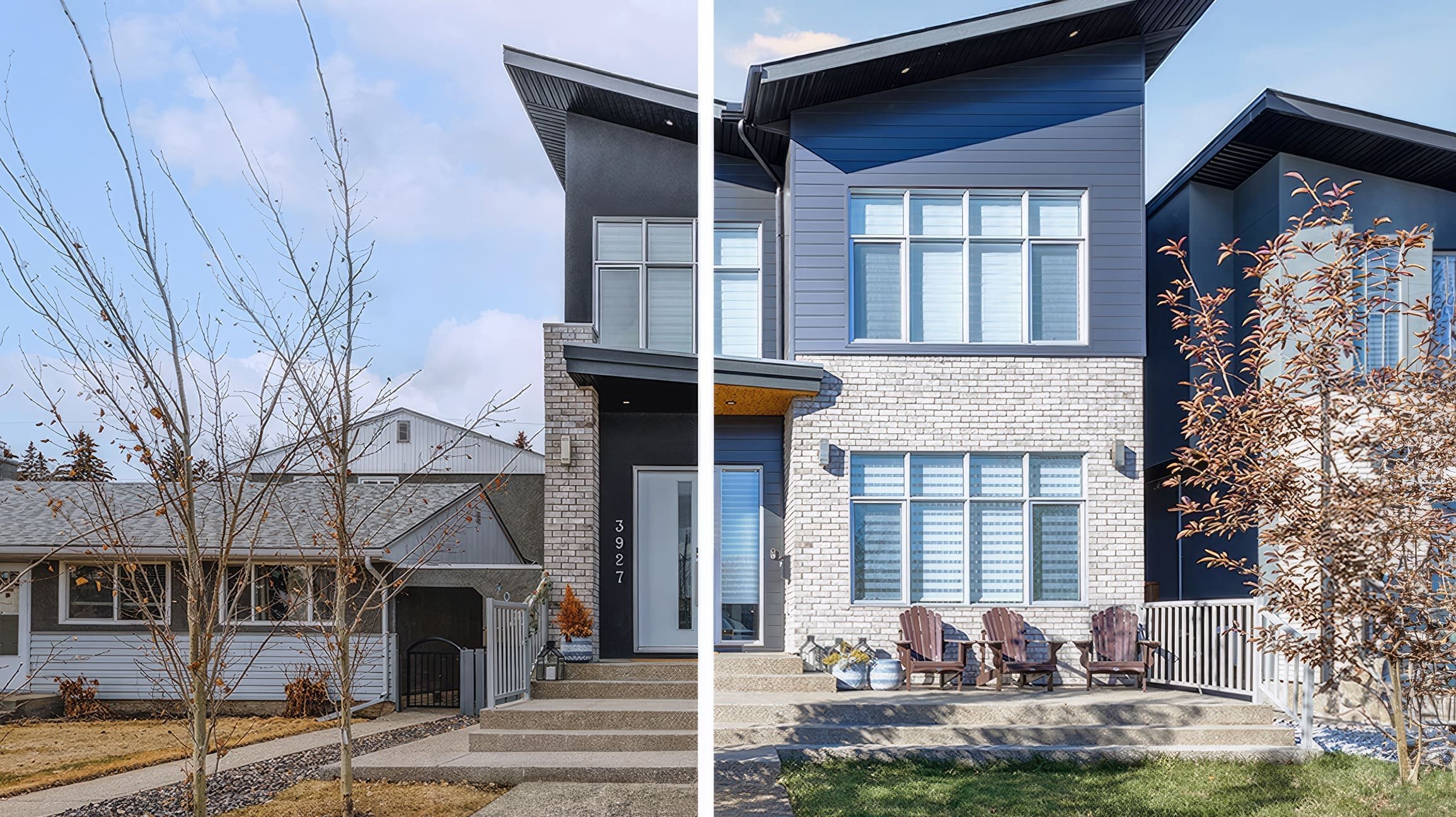
We understand the challenges of renovating a home’s exterior, especially when it involves stucco. It can be costly and time-consuming to replace stucco, however, with the advancement of our high-performance aluminum siding system, FastPlank®, the process of removing stucco can be eliminated altogether. This recent project changes how we approach exterior renovations with stucco, saving you significant time and money. FastPlank® Systems is an innovative solution that can fit directly over existing stucco without the need for any demolition or removal. This system is made from high-quality aluminum material that is lightweight, durable, and corrosion-resistant, making it an ideal choice for enhancing your home’s exterior aesthetics.
FastPlank®
Woodgrain Aluminum Siding vs. Vinyl Siding
March 17, 2023
Are you tired of constantly replacing your home’s vinyl siding every few years? Have you considered a more sustainable, durable, and cost-effective alternative? Look no further than woodgrain aluminum siding. This innovative material offers the same authentic and natural look as wood without the high maintenance and susceptibility to damage of vinyl cladding. With its long-lasting durability, energy efficiency, and eco-friendly properties, woodgrain aluminum siding is quickly becoming the top choice for homeowners who want a smart, stylish, and sustainable investment for their home’s exterior. One of the most significant advantages of woodgrain aluminum siding is its durability. It is incredibly strong and resistant to the elements, including moisture, extreme temperatures, and pests like termites. As a result, aluminum siding can withstand even the harshest weather conditions, while vinyl siding can crack, fade, and peel over time. It is also resistant to hail, wind, and other environmental damage, making it a smart investment for homeowners who want a siding material that can stand the test of time.