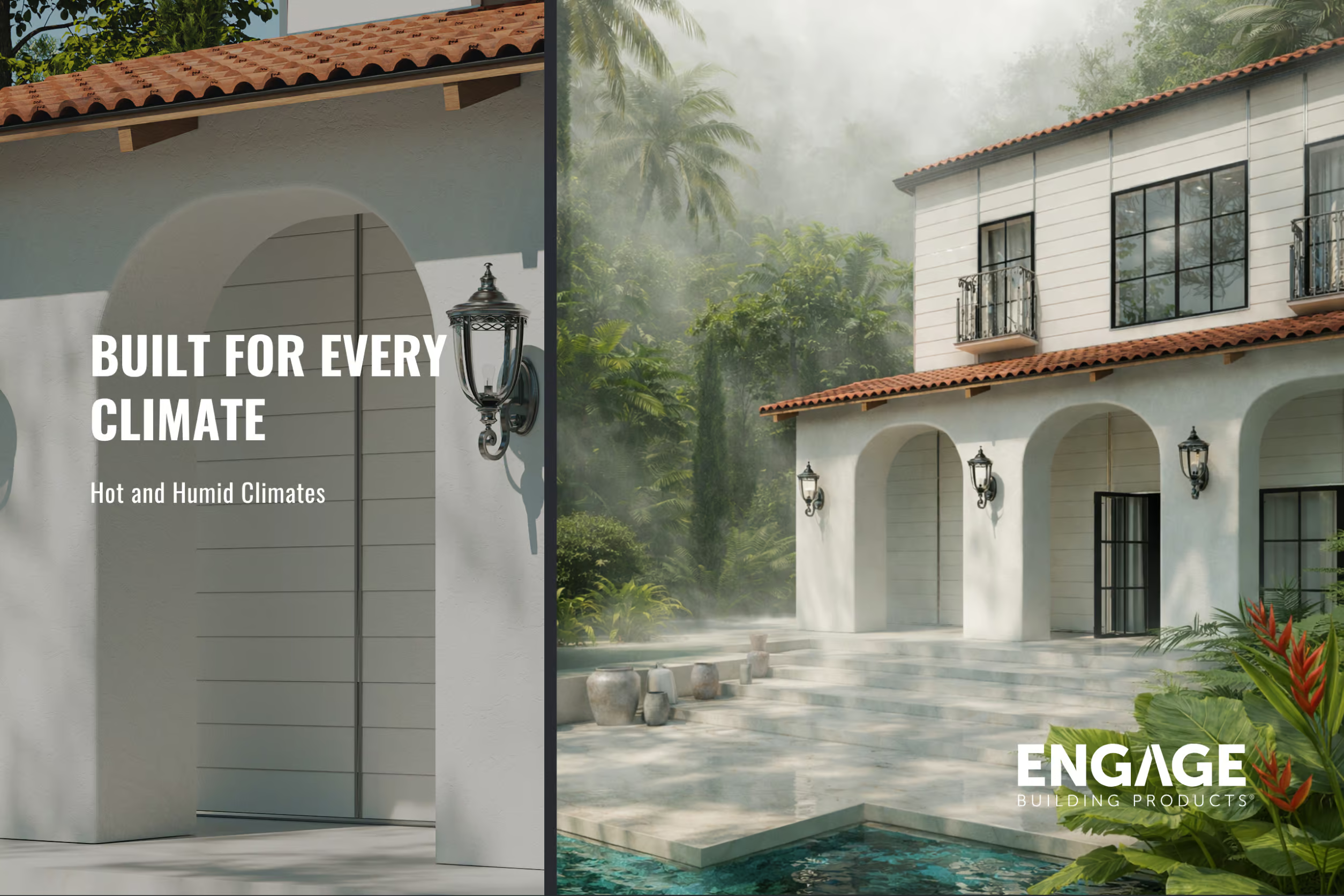
Hot and humid climates present a very different set of challenges for exterior siding. Buildings in these regions face persistent humidity, intense sunlight, and long periods of heat.
In environments where moisture is constantly present in the air, siding systems must do more than protect the structure from rain. They must also allow moisture within the wall assembly to escape. Without proper ventilation and drainage, trapped humidity can lead to mold growth, material deterioration, and premature siding failure.
Selecting siding for hot and humid climates requires siding that is designed to manage water vapor.
Key Challenges in Hot and Humid Climates
High humidity – can cause moisture to get trapped inside a wall assembly, it creates ideal conditions for mold, mildew, and material deterioration.
Frequent rainfall – increases the likelihood of water penetrating small openings in siding systems.
Intense sunlight – can degrade certain materials and cause finishes to fade or break down over time.
How Siding Fails in Humid Environments
When siding systems are not designed to manage moisture effectively, the effects of heat and humidity can accelerate several types of failure.
• Mold and mildew growth inside wall cavities
• Swelling or deterioration of siding materials
• Peeling and cracking of the finish
Because humidity remains high for much of the year, wall assemblies may never fully dry once moisture becomes trapped.
Why Ventilation and Drainage Are Critical
In humid climates, managing moisture is less about keeping water out entirely and more about ensuring the wall can dry properly.
Effective wall assemblies should incorporate a rainscreen to allow for drainage and airflow behind the siding. By creating a small air gap between the siding and the wall, rainscreen systems help promote airflow that dries trapped moisture.
This ventilation space plays an important role in maintaining the long-term health of the wall assembly.
Designing Wall Systems for Humid Regions
Exterior wall systems in humid climates benefit from a design approach that prioritizes airflow and drainage.
Effective strategies often include:
• Rainscreen cavities that allow walls to breathe
• Drainage channels that direct water away from the structure
• Durable, corrosion-resistant materials
• Secure installation methods that maintain proper spacing and airflow
• These features allow siding systems to perform reliably even when exposed to constant heat and moisture.
The Takeaway
High humidity, persistent rain, and blazing sunlight expose vulnerabilities in siding systems. This is particularly true for those that retain moisture or are poorly ventilated.
Choosing moisture-resistant materials and constructing wall assemblies with efficient ventilation and drainage are key to preserving a building’s structural soundness and visual appeal, even in the harshest environments.
In the next article in this series, we will explore siding performance in hot and dry climates, where intense sun and extreme temperature swings create a completely different set of challenges for exterior cladding.